Hey everyone, it’s Jake from your go-to automation parts supplier, and let’s cut to the chase: no one wants their line to go down because a sensor failed, a motor seized, or a valve out of nowhere. I’ve been in this game for 12 years, talking to factory floor leads, maintenance techs, and plant managers, and the number one question I get is: “How do I make these parts last longer without spending a fortune on replacements?” Automation Parts
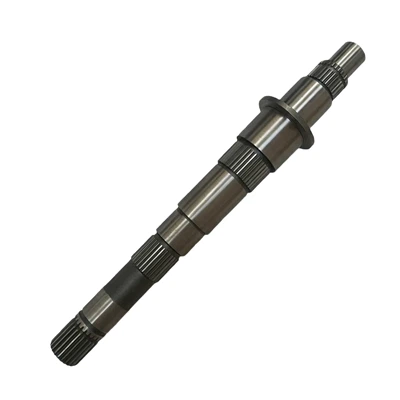
The truth is, automation parts aren’t indestructible—but most of the time, their early death is totally avoidable. It’s not just about buying high-quality parts (though that’s definitely a baseline); it’s how you treat ’em once they’re installed. Let’s break this down, no boring jargon, just real stuff I’ve seen work in factories from Detroit to Austin.
First up: the basics that almost everyone skips—inspection and cleaning, done right. I know, I know, “inspect every month?” That’s more paperwork. But hear me out. Last year, a customer in Cleveland had a 3-day line shutdown because a photoelectric sensor got covered in metal shavings from a stamping line. They’d been skipping weekly quick checks, and that tiny layer of gunk blocked its emitter. We replaced the sensor, but the fix was way simpler: a 2-minute wipe-down every shift.
Wait, not just any wipe-down. Don’t use a rag with solvent that eats the sensor’s lens—use a microfiber cloth with isopropyl alcohol (90% or higher, not the cheap stuff) for lenses, and compressed air (held 6 inches away!) for crevices on motors or gearboxes. And don’t skip the visual checks for wiring: frayed insulation, loose terminals, wires hanging by a thread from vibration. That’s not a “minor thing” — that’s a fire hazard waiting to happen, or at least a short that fries a $500 motor. The rule of thumb I preach: if it’s vibrating, it’s moving parts that need to be checked more often. Heavy equipment? Weekly quick checks. Light-duty stuff? Bi-weekly. That’s it. No overcomplicating.
Next: installation, because cutting corners here is like building a house on sand. I see techs using a wrench too tight on a sensor mount, or routing a power cable right next to a high-voltage line. That’s a mistake. Let’s talk torque first—every automation part has a torque spec, and it’s there for a reason. For example, a motor’s mounting bolts: too loose, and it vibrates itself off, damaging the shaft. Too tight, and you strip the housing or warp the motor’s frame. We include a quick torque guide with every bulk order, but if you lose it, most part specs are free to pull on our site. Pro tip: use a torque wrench, not your “I’m strong enough” guess. I’ve seen a tech snap a valve actuator bolt because he thought “tight is tight” — cost him a $1,200 actuator and 8 hours of downtime. Oops.
Then there’s wiring routing. Don’t run low-voltage signal wires (like from a proximity sensor) right next to a 480V power cable. That causes electrical interference, which makes sensors give false readings, motors run hot, and everything act wonky. I tell customers: keep signal and power lines separate by at least 6 inches, and use shielded cable for sensitive stuff. Also, don’t yank cables tight when installing—leave a little slack (6-12 inches) where cables connect to parts. Vibration will make tight connections pull apart over time. Small thing, but it adds up.
Now, environmental factors—this is the big one a lot of people ignore because their factory “looks fine.” Is your line in a dusty warehouse? A food plant with sticky syrup or oil? A chemical plant with corrosive fumes? Those environments eat parts alive. For dusty lines, seal off motor vents with breathable filters (we sell these cheap, and they save you from internal dust buildup). For food plants, get parts rated for washdown—standard parts will rust or seize within months if you hose ’em down daily. For corrosive stuff, go for stainless steel or coated parts, not the cheap aluminum ones. Last quarter, a craft brewery switched from standard valves to our food-grade stainless ones; they went from replacing 2 valves a month to 1 every 6 months. That’s a win.
Temperature is another silent killer. Motors, sensors, PLCs—all have an operating temp range, usually -20°F to 120°F or something. If your line’s in a hot attic (old factories are like this), your parts are running 20°F over that limit, which cuts their life in half. Fix it with ventilation: add small fans near motor housings, or mount heat sinks on sensitive electronics. I once had a customer whose HMI screen kept dying every 3 months—turns out the cabinet was right next to a furnace, no vents. We added a $20 cooling fan, and that HMI lasted a year and a half. Simple.
Lubrication—yes, even for automated parts. Gearboxes, linear actuators, conveyor rollers—they all need lubrication, but not just any oil or grease, and not too much. Too little = friction = overheating = failure. Too much = grease gets everywhere, attracts dust, causes clogs. The key is using the right lube for the job. For example, a food conveyor needs food-grade grease, not regular industrial stuff. We send lube charts with every gearbox order, and if you’re not sure, just ask our techs—we don’t charge extra for that advice. Also, schedule lubrication every 3-6 months, depending on how heavy the usage is. Don’t wing it.
Wait, what about overloading parts? This is huge for motorized stuff. Everyone wants to run a motor at 100% capacity to get the job done fast, but that’s like driving your car at redline 24/7—engine blows. Motors, gearboxes, even conveyor belts have a load rating. If you’re moving heavier parts than the part was designed for, it’s going to wear out way faster. Last year, a packaging plant tried to use our standard 1HP motor to move boxes that were 2x the rated weight. The motor burned out in 2 weeks. We replaced it with a 2HP motor, and that’s still running strong. Don’t outsize your load needs—check the spec, and if you’re pushing limits, upgrade the part. It’s cheaper than replacing a dead motor every month.
Now, maintenance schedules—don’t just wait for something to break. Predictive maintenance is where it’s at, and you don’t need fancy AI tools (though if you have ’em, use ’em). Start with a simple log: track when parts were installed, when you did checks, any small issues. For example, if a motor runs 10°F hotter after a month, that’s a red flag—don’t wait till it seizes. Tighten the bolts, check for lubrication, clean the vents. Small fixes now = no big shutdown later. I recommend setting monthly “lunchbreak checks” — 15 minutes every shift, someone walks the line, looks for obvious issues, wipes down sensors. That’s doable, right?
Also, replacing parts proactively, not reactively. This is a hard one because it’s spending money before something breaks, but trust me. For example, proximity sensors usually last 1-2 years in heavy use. If you replace them at 18 months, before they fail, you avoid unplanned downtime which can cost thousands per hour. We have a bulk discount for pre-ordering common parts, so you can keep spares on hand without overspending. And when you replace a part, make sure it’s compatible—don’t mix and match brands that might have different specs. We test compatibility with all our parts, so if you’re swapping, just send us the old part number, we’ll hook you up with the right one.
Wait, let’s talk about common mistakes I see all the time:
- Using generic cleaners on sensors: Windex has ammonia that eats lens coating, makes sensors blind. Stick to isopropyl.
- Ignoring loose electrical connections: I’ve seen a loose wire cause a motor to run 24/7, burning it out in 3 days. Check those terminals every month.
- Skipping environmental sealing: Don’t install a sensor outdoors without an IP67 rating, duh. I can’t tell you how many customers buy indoor sensors for outdoor lines and get mad when they die in the rain.
- Forgetting to train your team: Maintenance techs don’t know the torque specs because no one showed them. Train ’em on basic part care, it takes an hour, saves you a fortune.
Let’s wrap this up with a real example from a customer of mine in Nashville. They had a 6-month downtime event every quarter because their conveyor parts were failing. We sat down, walked their line, adjusted their inspection schedule, replaced their standard valves with washdown-rated ones, added lube points to their gearboxes, and trained their techs on proper wiring. Now? Their conveyor parts last 18-24 months, downtime is down 75%, and they saved $15k in the first year on replacement parts. That’s not magic, that’s following simple rules.
At the end of the day, increasing automation parts’ lifespan isn’t rocket science—it’s consistent, small, intentional care. It’s not cutting corners on installation, not ignoring your environment, not waiting until something breaks to fix it.

If you’re tired of unexpected downtime, or you want to optimize your parts’ life without breaking the bank, our team is here to help. We’ve got the parts, the free tech advice, and the bulk deals to fit whatever your line needs. Just reach out to our sales team to chat about your specific setup—we don’t do one-size-fits-all, because every factory’s needs are different.
Auto Parts REFERENCES
- “Industrial Automation Parts: Lifespan and Maintenance Best Practices” – Automation World, 2022
- “Torque Specifications for Industrial Components” – Machinery Lubrication Magazine, 2021
- “Environmental Rating Guidelines for Automation Equipment” – National Electrical Manufacturers Association (NEMA), 2023
- “Predictive Maintenance Strategies for Reducing Unplanned Downtime” – Industrial Maintenance & Plant Operations, 2022
Hubei Kangding Machinery Equipment Co., Ltd.
We’re well-known as one of the leading automation parts manufacturers and suppliers in China, specialized in providing high quality customized products. Please feel free to buy advanced automation parts for sale here from our factory. For pricelist, contact us now.
Address: Qianchang Industrial Park, Jingshan County, Jingmen City, Hubei Province
E-mail: 339248585@qq.com
WebSite: https://www.cnkangding.com/
