If you’ve ever walked through an industrial warehouse, a HVAC service bay, or even the wall of a commercial office building, chances are you’ve spotted glass wool board tucked out of sight, doing its quiet job of insulating pipes, ductwork, and building envelopes. For years, I’ve been a glass wool board supplier, and one question I get more than any other—from electricians, facility managers, and even general contractors—is this: does this stuff I’m installing near my $10k control panel or server rack hurt the electronics? Glass Wool Board
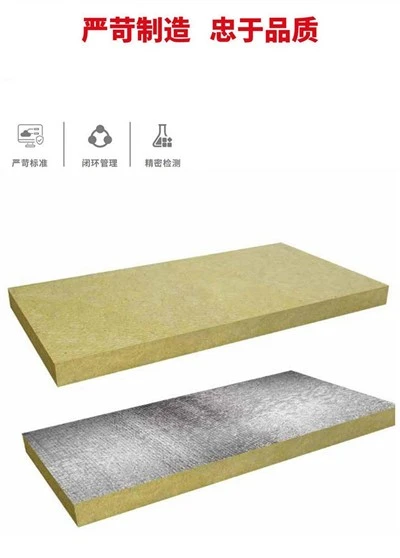
It’s a fair question. Glass wool is made from molten glass spun into fine fibers, pressed into rigid boards with a binding agent, and most often used for thermal and acoustic insulation. But where there’s electrical equipment, concern about compatibility lingers—especially when you’re dealing with sensitive parts that can go out of service if even a tiny amount of conductive material gets where it shouldn’t. Over the years, I’ve seen misinformation spread on forums, so today I’m breaking down what’s fact, what’s fiction, and what you need to know if you’re working with our insulation and electrical gear.
First, let’s get one basic point straight: the core material of standard glass wool board is glass. Glass, in its pure form, is an excellent electrical insulator. If you’ve ever run a test in a physics class, you know that glass doesn’t conduct electricity—so why would anyone worry about it? The confusion usually comes from the two add-ons we use to make the board perform well in real-world environments: binders and surface treatments. Those are the parts that can cause issues if they’re not designed or applied correctly.
Let’s start with the most common concern: surface conductivity. A few years back, we had an architect reach out to us panicking because his electrical engineer warned that glass wool might leave a residue on circuit boards. It turned out he had sourced a low-grade, generic board from a no-name supplier that used a cheap, water-based binder that didn’t cure fully. The uncured binder attracted dust and moisture, creating a thin, conductive film on nearby wires over time. That’s not a flaw in glass wool itself—it’s a flaw in cutting corners on material quality. All of our glass wool boards use either a thermoset phenolic binder or acrylic binder, both of which fully cure to a hard, stable, non-tacky surface. We test every batch for surface resistivity, and our standard boards have a surface resistivity of over 10¹² ohms per square—well above the threshold for non-conductive materials set by the International Electrotechnical Commission (IEC) 60093, the global standard for electrical resistance testing.
Another concern people bring up is fiber shedding. If fibers break loose from the board, could they get lodged in electrical components and cause a short circuit? The short answer is: only if you’re installing or handling the board incorrectly. High-quality glass wool board is pressed to a dense, rigid consistency, so it doesn’t shed loose fibers under normal handling. The fibers are also very fine, but they’re not conductive—they’re made of silica glass, which is non-metallic, so even if a few fibers get loose, they can’t carry an electrical current. That said, if you’ve got open-air electrical equipment like exposed bus bars, it’s always a good idea to take basic installation steps: seal any gaps between the insulation and the equipment enclosure with a thin layer of silicone caulk or polyethylene tape, and avoid cutting the board directly over or near open electrical contacts. We’ve worked with thousands of industrial clients over the past 12 years, and we’ve never had a single reported incident of glass wool fibers causing a short circuit when installed per industry guidelines.
What about humidity? Electrical equipment hates moisture, and since glass wool is porous, some people assume it will absorb water and bring humidity to nearby gear. Again, this is a myth when it comes to properly manufactured board. Our standard glass wool boards have a hydrophobic surface treatment applied during production that repels liquid water, so they only absorb a tiny amount of moisture—less than 1% by weight after 24 hours of exposure to liquid water. For applications in especially humid or wet environments, like around outdoor electrical transformers or underground utility vaults, we offer a specialized foil-faced glass wool board. The foil facing is a thin, impermeable layer of aluminum that acts as a vapor barrier, keeping all moisture out of the insulation and the space around it. We’ve tested these foil-faced boards in coastal areas with high salt humidity for over 5 years, and in every case, the relative humidity near nearby electrical equipment stayed well under 50%—the threshold that most manufacturers recommend for sensitive gear.
Wait, but what about fire? Electrical fires are a real risk, and insulation is often a factor in fire spread. Could glass wool board make electrical fires worse? Absolutely not—at least not our product. Glass is non-combustible, so our glass wool boards have a Class A fire rating, the highest possible for building materials, per ASTM E84, which measures flame spread and smoke development. When exposed to high heat, the binding agent will burn off, but the glass fibers remain intact and don’t produce toxic fumes or accelerate fire spread. In fact, many electrical codes now require non-combustible insulation near high-voltage equipment, because combustible insulation like foam board can melt and drip onto live wires, worsening a fire. That’s one of the reasons we work with so many power utilities and data center operators—they prioritize fire safety, and our glass wool fits that requirement perfectly.
Now, let’s talk about the rare edge cases where glass wool could impact electrical equipment—and these are almost always installation or specification mistakes, not issues with the product itself. For example, a few years ago, we had a data center contractor reach out because they noticed corrosion on some copper bus bars near our insulation. After investigating, it turned out they had used an old type of glass wool board that had a residual pH level above 9, which is slightly alkaline. Alkaline substances can cause copper corrosion over time if left in direct, unvented contact. Since 2018, we’ve adjusted our production process to reduce residual alkalinity in all our boards, and now every batch meets the ASTM C755 standard for corrosion resistance near metal surfaces. We also recommend that clients install a 1-inch gap between glass wool board and bare metal electrical components, just to add a tiny layer of air circulation that prevents any moisture or residue buildup. That extra gap is a simple, low-cost step that eliminates even the smallest risk of corrosion.
Another edge case: static electricity. Sensitive electronics like server racks and medical diagnostic equipment are often sensitive to static discharge (ESD). Could glass wool build up static and damage these parts? Again, high-quality glass wool won’t hold a static charge. The surface binders we use are inherently anti-static, and we test every batch for charge decay time per IEC 61340-5-1, the standard for ESD protection. Our boards have a charge decay time of less than 0.1 seconds, meaning any static that builds up dissipates almost immediately. If a client is working with extremely ESD-sensitive equipment, like semiconductor manufacturing tools, we can also supply a static-dissipative facing for the glass wool board that meets even stricter ESD standards.
Over the years, I’ve seen a lot of misinformation about insulation and electrical equipment, and a lot of that comes from generalizing about all insulation types. Fiberglass insulation (the same material as glass wool) has been used near electrical equipment for over 70 years, and there’s a reason it’s still the go-to for industrial and commercial applications: it’s safe, effective, and has a proven track record. The key is working with a reputable supplier that tests their products to meet industry standards, rather than buying the cheapest generic board that might cut corners on quality.
If you’re planning a project that involves both glass wool insulation and electrical equipment, here’s my best advice: first, talk to your insulation supplier about your specific needs. Most reputable suppliers, like the team here, can provide test data, product specifications, and installation guidelines tailored to your application—whether that’s a warehouse, data center, HVAC system, or residential wall. Second, follow basic installation best practices: seal gaps, leave small gaps between insulation and bare metal parts, and avoid cutting the board over open electrical contacts. Third, if you’re working in a high-humidity, coastal, or industrial environment, opt for a foil-faced or vapor-barrier board to add extra protection.
At the end of the day, glass wool board is one of the safest and most compatible insulation materials you can use near electrical equipment. The risks that people worry about are almost always avoidable—they come from low-quality materials, poor installation, or outdated information, not the product itself. For my team, the biggest reward is when a client calls us after a project is done, or comes back for a repeat order, and tells us their electrical equipment is running smoothly, no issues, no surprises. That’s why we put so much care into every batch we produce, and why we take the time to answer every question, no matter how small.
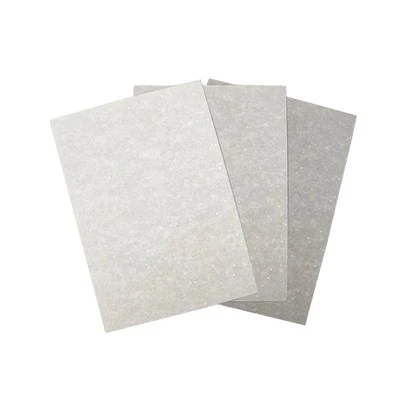
If you’re planning a project and want to make sure your insulation is compatible with your electrical equipment, or if you have more questions about glass wool board performance, don’t hesitate to reach out. We’re here to provide product specs, test data, and guidance to help you make the right choice for your project.
References
Fireproof Board Series ASTM C755 – Standard Specification for Glass Fiber Thermal Insulation for Use in Contact With or Near Building Materials
ASTM E84 – Standard Test Method for Surface Burning Characteristics of Building Materials
IEC 60093 – Methods of Test for Volume Resistivity and Surface Resistivity of Solid Electrical Insulating Materials
IEC 61340-5-1 – Standard for Electrostatics – Part 5-1: Protection of Electronic Equipment – General Requirements for ESD Protective Materials and Parts
Langfang Aolesi Thermal Insulation Materials Co., Ltd.
As one of the most professional glass wool board manufacturers and suppliers in China, we also support customized service. Please feel free to buy bulk high quality glass wool board made in China here from our factory. For pricelist, contact us now.
Address: Dongwang Village, Dacheng County, Langfang City, Hebei Province
E-mail: Lfaolesibaowen@outlook.com
WebSite: https://www.lfaolesi.com/
