Hey everyone, let’s cut to the chase today – if you’re running or managing a warehouse, you’ve probably wondered at least once: do fire protection valves even belong here? I get it, when you’re focused on stacking pallets, keeping operations smooth, and not blowing your budget, sprinkler systems and all their parts can feel like an afterthought… until you don’t have them when you need them. As a fire protection valve supplier who’s dealt with warehouse owners, maintenance guys, and even facility managers panicking after a random fire inspection, let me break this down straight – no jargon, no fluff, just real talk that actually matters for your space. Fire Protection Valve
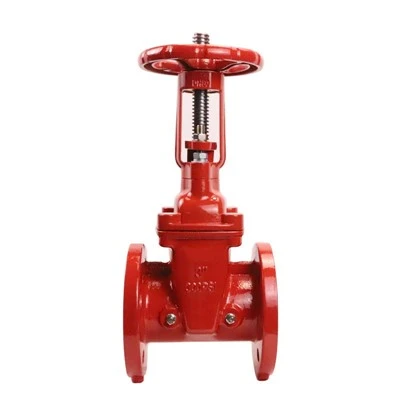
First off, let’s get one thing out of the way: warehouses are not your average office buildings. They’re big, often cluttered with everything from cardboard boxes and pallets to flammable materials (yes, even cleaning chemicals or aerosol cans count), and they have tons of hard-to-reach corners where fires can start and spread faster than you’d believe. A fire in a warehouse doesn’t just damage stuff – it can close your whole operation down for weeks, if not permanently. That’s where fire protection valves come in, and no, they’re not just for high-rise apartments or fancy restaurants.
Let’s start with the basics of what these valves actually do, in plain terms. Think of a sprinkler system as your warehouse’s fire safety circulatory system – the pipes carry water to every sprinkler head, and fire protection valves are the control centers for that system. They turn the water on and off, regulate pressure, and make sure water gets where it needs to go when there’s an emergency. Now, why would that matter in a warehouse specifically? Let’s be real – warehouses have unique layout challenges. They might have mezzanines, narrow aisles with forklifts zipping around, and separate storage areas for different materials. A single valve failure or closed valve can leave a whole section of your warehouse with zero water flow when a fire hits. I’ve seen this first-hand: a client of mine had a small electrical fire start by their storage racks, only to find out a maintenance tech had accidentally closed a side control valve a week earlier. By the time they fixed it, the damage was way worse than it needed to be.
Now, let’s get into the real question: can they actually be used in warehouses? Short answer: absolutely – and not only that, they’re mandatory in most places (I’ll touch on codes later, promise). But not just any valve, right? You can’t grab a random valve off a hardware store shelf and call it a day. Warehouse environments have specific demands, so you need valves built to handle that. Let’s break down the types you’ll actually use here, because this is where a lot of people get confused.
First, there’s the main control valve – that’s the big one near your sprinkler system’s water source, usually located near the entrance or a utility closet. This is your master shut-off, and it’s required to be accessible, so if there’s a fire, firefighters can get to it fast without trekking through a sea of pallets. I always tell warehouse clients: don’t store anything within 3 feet of that valve. I know, I know, space is tight, but one week of re-stacking a pallet 10 feet back is way better than losing your whole inventory.
Then there are the zone control valves. This is where warehouses get their value from. Let’s say your warehouse is divided into zones: one for flammable materials, one for general storage, one for office space. Each zone has its own valve, so if there’s a fire in just one zone, you can shut off that zone’s valve without turning off water to the whole building. That’s a game-changer. I had a client last year who had a fire start in their palletized paper storage zone – the zone valve worked perfectly, so firefighters only had to use water in that one area, and the rest of the warehouse stayed safe. They were back up and running in 3 days instead of 3 weeks.
Pressure reducing valves (PRVs) are another must-have for warehouses. Wait, why would you need pressure control? Because warehouses have big pipe runs, right? A 1000-foot pipe from the water source to the far end of your warehouse can build up extra pressure, which can damage sprinkler heads or even cause leaks. PRVs keep the pressure at the exact level your system needs – usually around 50-70 PSI, per fire codes. I’ve seen warehouses skip PRVs, and within 2 years, they had 3 separate sprinkler leaks that ruined inventory. It’s an easy upgrade that saves you way more in the long run.
Then there’s something called backflow prevention valves. Yeah, I know, that sounds like a plumbing term, but it’s critical for warehouses, especially if you have any chemicals or other contaminants on site. Backflow happens when water flows backward from your sprinkler system into the main water line – if your sprinkler water has any dirt or debris (which is super common in dusty warehouses), that can get into the city’s water supply. Backflow valves stop that, and most local fire codes actually require them for industrial spaces like warehouses. I always recommend checking your local code, but if you’re storing anything even slightly non-toxic, this is non-negotiable.
Now, let’s talk about the codes, because this isn’t just a suggestion. Most places follow NFPA 13, which is the standard for sprinkler system installation. Let me sum that up for you in non-code terms: NFPA 13 requires that all sprinkler systems have control valves, zone valves, and backflow prevention, and that those valves are marked, accessible, and properly maintained. For warehouses specifically, because they’re classified as “occupancy groups” that have higher fire risk (Group A for storage, Group S for manufacturing/storage, etc.), the valve requirements are stricter than for a small retail store. I work with a lot of warehouse managers who think they can “get away” with skipping a valve or putting it in a hard-to-reach spot, but I’ve also seen them get hit with fines during inspections, or worse, have their insurance deny a claim after a fire because their system wasn’t up to code. That’s a nightmare no one needs.
Wait, but let’s address the elephant in the room: are there any downsides to using fire protection valves in warehouses? Let’s be honest, valves are just another part of the system, so they need to be maintained. If you ignore them, they can fail. For example, if a control valve is left closed because it seized up, that’s a problem. Or if a zone valve is not tested regularly, it might not open when you need it to. But that’s not a problem with using valves – that’s a problem with not maintaining them. I always tell my clients: it’s like changing the oil in your truck. You don’t skip it because it’s a hassle, you do it to keep things running. Most valves just need a quick check every 6 months, and a full test once a year. It’s 30 minutes of work that saves you a fortune.
Another thing I hear all the time: “We don’t need extra valves, our sprinkler guy said the main valve is enough.” Let’s push back on that. The main valve is great, but if you have a 50,000 sq ft warehouse, a fire in one corner means shutting off the whole system to get to the main valve. That’s 10,000 sq ft of space without water. Zone valves fix that. I had a client who had a fire in their east zone last year – with zone valves, firefighters only used water in that zone, and the rest of the warehouse was fine. If they only had a main valve, they would have had to turn off all water, so the other sprinklers wouldn’t have activated to stop the fire from spreading. The damage would have been 5x worse.
Now, let’s talk about common mistakes warehouse owners make with these valves. First, not labeling them. I can’t tell you how many times I’ve walked into a warehouse where valves are just sitting there unmarked, no one knows which zone they control. When a fire hits, that’s chaos. Second, blocking access. Like I said earlier, don’t store pallets, equipment, or even old boxes within 3 feet of any valve. I once had a client who had a forklift damage a zone valve because it was hidden behind a stack of skids. The valve was totaled, and it cost them $50k in lost inventory while they waited for a replacement. Third, not testing them. A lot of people install valves and forget about them, but valves can seize, get clogged with dirt, or wear out. I recommend testing every valve once a year, and doing a quick visual check every month. It’s easy to put in a calendar reminder – trust me, it’s worth it.
Wait, also, what about different types of warehouses? Because not all warehouses are the same. If you’re storing food products (non-flammable), you still need valves – just maybe not the same heavy-duty ones as a warehouse storing aerosols or paint. For cold storage warehouses, which are super common, you need valves that can handle freezing temperatures – regular valves will crack if they’re not rated for cold, so you have to get the right type. I work with a lot of cold storage clients, and we make sure their valves are insulated and rated for sub-zero temps, so they don’t fail in the middle of winter. For e-commerce warehouses, which are super cluttered with cardboard and packing materials, zone valves are extra important because fires can spread so fast in that stuff. I had an e-commerce client last year who had a small fire start by a packing table, and the zone valve shut that area down before it could reach the rest of the 100,000 sq ft space.
Let’s also touch on cost, because I know that’s a big concern. A lot of people think adding valves is an unnecessary expense, but let’s do the math. A good control valve might cost a few hundred dollars, a zone valve a bit more, pressure reducing valves a couple hundred, backflow preventers a few hundred. For a 100,000 sq ft warehouse, that’s maybe a few thousand dollars total, depending on how many zones you need. Compare that to the cost of a single fire – which can be millions in inventory damage, lost revenue, and insurance hikes. And don’t forget, your insurance company will probably require these valves, so skipping them could mean your insurance is invalid. I’ve seen a client lose $2 million in inventory because their insurance denied a claim, all because they skipped installing zone valves. That’s way more than the cost of the valves and installation.
Now, let’s get back to the original question one more time, to make sure we’re clear: can fire protection valves be used in warehouses? Let’s recap: yes, they’re not just allowed – they’re recommended, required by code, and actually make your warehouse way safer. But you can’t just install any valve – you need the right types (control, zone, PRV, backflow) tailored to your warehouse’s space, storage, and climate. And you have to maintain them, because even the best valve won’t work if it’s blocked, unmarked, or not tested.
I’ve been in this game for years, working with all kinds of warehouse owners, and the ones that take fire protection seriously – especially the valves – are the ones that stay in business. The ones that cut corners? They’re the ones dealing with fires, fines, and insurance headaches. It’s that simple.

If you’re a warehouse owner, facility manager, or maintenance tech reading this, and you’re not sure if your valves are up to par, or if you need to add more valves, reach out. I’m here to help, no sales pitch that feels pushy, just honest advice. We work with small warehouses and big distribution centers, so we can find the right valves for your space, at a price that makes sense. Don’t wait until it’s too late – get your valves checked today, so you can focus on running your warehouse, not worrying about fire safety.
Fire Sprinkler System Reference:
- National Fire Protection Association (NFPA). 2022. Standard for the Installation of Sprinkler Systems (NFPA 13). Quincy, MA: National Fire Protection Association.
- Fire Protection Research Foundation. 2021. Fire Safety in Storage Warehouses. Quincy, MA: National Fire Protection Association.
- American Water Works Association (AWWA). 2020. Backflow Prevention Requirements for Industrial and Commercial Facilities. Denver, CO: American Water Works Association.
Nonfir Automatic Sprinkler Co., Ltd.
As one of the most professional fire protection valve manufacturers and suppliers in China, we have world-leading production equipment and strong manufacturing capabilities. Please feel free to buy advanced fire protection valve at competitive price from our factory.
Address: No.8, Yuanfeng Road, Meiyuan Village, Kangmei Town, Nan’An City, Quanzhou City, Fujian Province, China
E-mail: info@nfsprinkler.com
WebSite: https://www.nonfirsprinklers.com/
