If you’re reading this, chances are you work in construction, manufacturing, agriculture, or any industry that relies on hydraulic systems to move heavy loads, power machinery, or keep operations running smoothly. As someone who’s been a hydraulic gear pump supplier for over 12 years, I’ve lost count of how many times customers come to me frustrated because their pump is underperforming, overheating, or failing prematurely. I’ve heard every excuse: “I bought a top-of-the-line pump, why is it acting up?” or “My old pump lasted 10 years, this one’s already broken in 2.” Most of the time, the issue isn’t the pump itself—it’s how it’s being used, maintained, and matched to the rest of the system. Today, I want to share the real-world, tested strategies we teach every customer who works with us to get the most out of their hydraulic gear pump, avoid unnecessary downtime, and save money in the long run. Hydraulic Gear Pump
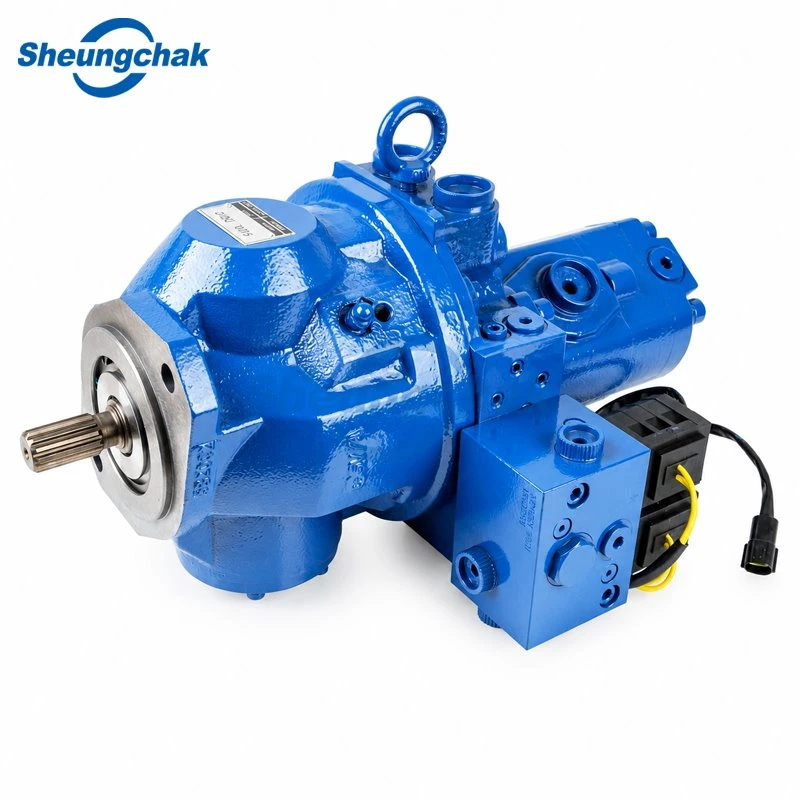
Let’s start with the basics: what a hydraulic gear pump does, just to make sure we’re all on the same page. Unlike piston pumps, gear pumps use two intermeshing gears (one driving, one driven) inside a sealed housing to create a vacuum on the inlet side, which pulls fluid in, then traps and carries it around the gears, and pushes it out under pressure on the outlet side. They’re simple, durable, and great for medium-pressure applications, but that doesn’t mean they’re unbreakable. I’ve seen pumps fail because of tiny mistakes that could’ve been fixed with regular checks or better upfront planning.
First on the list: get the right pump for your application. I can’t stress this enough, and it’s the mistake I see most often. A lot of customers pick the pump based purely on price or the old model they’re replacing, without checking key specs that actually make a difference. For example, if you have a 50-gallon-per-minute (GPM) system, don’t buy a pump rated for 80 GPM just because it’s a little cheaper. That extra flow won’t help your machine—it’ll only force the pump to work harder to restrict the flow back to what the system needs, causing unnecessary wear. Conversely, an undersized pump will run at 100% capacity all the time, leading to overheating and early failure. We always ask customers for three things upfront: the maximum pressure their system needs, the required flow rate, and the type of fluid they’re using (mineral oil, synthetic, biodegradable, etc.). We cross-reference that with the pump’s displacement, speed rating, and pressure capacity to avoid mismatches. For example, a gear pump for a mobile farm tractor runs at different speeds than one for a stationary factory assembly line, and the fluid’s viscosity matters too. If you’re using a synthetic fluid that’s thinner than standard mineral oil, you need a pump with tighter clearances to prevent internal leakage—something a lot of new buyers miss.
Next, maintain consistent fluid quality and condition. Hydraulic fluid is the lifeblood of your pump, and I’ve had customers bring in pumps that failed because the fluid was so dirty it looked like sludge. Gear pumps rely on tiny clearances between the gears, housing, and side plates (usually measured in thousandths of an inch) to work efficiently. If there’s dirt, metal shavings, or debris in the fluid, it gets trapped in those gaps, causing abrasion, scoring, and internal leakage. That leakage is a silent killer: it makes the pump work harder to build pressure, reduces flow, and causes overheating. How do you prevent this? First, use the right fluid for your system. Check the manufacturer’s viscosity rating—too thick, and the pump has to work harder to move it; too thin, and internal leakage increases. We recommend sticking to the specified viscosity range for the operating temperature of your machine. If you work in cold climates, using a winter-grade fluid will prevent startup strain, while summer-grade works better in hot environments. Second, change the fluid regularly, and don’t just follow a generic schedule. We tell customers to change the fluid every 1,000 to 2,000 operating hours, but if you’re working in dusty conditions or around metal fabrication, you might need to do it every 500 hours. Third, replace filters on time, and use the right filter micron rating. For gear pumps, a 10-micron filter is standard, but some high-pressure applications need 5 microns. A clogged filter will cause inlet pressure to drop, leading to cavitation—another big issue we see all the time.
Cavitation is a term I hear a lot, and most people don’t realize how bad it is for gear pumps. Cavitation happens when the inlet side of the pump doesn’t get enough fluid, so it creates bubbles in the hydraulic fluid. When those bubbles get carried to the high-pressure outlet side, they collapse violently, creating tiny shock waves that erode the gears and housing over time. It sounds like gravel inside the pump, and if you don’t fix it, it’ll destroy your pump in months. What causes cavitation? Most often, it’s a clogged inlet filter, wrong inlet line size, or the inlet line being too long or having too many bends. If your inlet line is smaller than the pump’s inlet port, it restricts flow and causes low pressure. Or if the line is kinked or has too many elbows, that’s another restriction. We always size the inlet line to be at least one size larger than the pump’s inlet port to minimize pressure drop. Another common cause of cavitation is the pump running too fast. Each gear pump has a maximum speed rating—run it faster than that, and you can’t move enough fluid through the inlet fast enough, leading to bubbles. We’ve seen customers mount pumps with a motor that’s 20% too powerful, just because it was available, and that’s a quick way to cause cavitation. If you’re not sure what the maximum speed for your pump is, the spec sheet is clear, or just reach out—we’re happy to check.
Then, pay attention to alignment and mounting. A lot of customers overlook how the pump is mounted to the motor or the machine’s drive shaft. Misalignment is one of the top causes of premature pump failure, and it’s entirely preventable. If the pump and motor aren’t aligned perfectly, you’re putting extra stress on the shaft bearings, the gears, and the housing. Over time, that stress will cause leaks, noise, and eventually the pump seizing up. What kind of alignment are we talking about? There’s angular and parallel alignment, and both need to be within a few thousandths of an inch. The best way to check this is with a laser alignment tool, but if you don’t have access to one, a dial indicator works too. Also, make sure you’re using the right coupling. A flexible coupling (not a rigid one) absorbs minor misalignment and vibration, which is critical for gear pumps. I once had a customer come to me with a pump that failed after 6 months, and when I went out to look at the machine, the coupling was rigid and the motor and pump were misaligned by almost 0.2 inches. A $25 flexible coupling and a 10-minute alignment check would’ve saved them $1,500 on a new pump. Also, don’t overtighten the mounting bolts. It’s tempting to crank them down to make sure the pump doesn’t move, but that can warp the pump housing, throw off internal clearances, and cause leaks. Tighten them evenly in a crisscross pattern to manufacturer specs, and check them quarterly.
Pressure management is another area where small changes make a big difference. Gear pumps are built to handle a maximum pressure, and constantly running at or near that maximum will shorten their life dramatically. Every time the system has a pressure spike—like when a cylinder reaches the end of its stroke, or a valve closes quickly—that puts extra stress on the pump’s gears and seals. To prevent this, use a pressure relief valve set to 10-15% above your maximum operating pressure. That way, if a spike happens, the relief valve opens and redirects excess flow back to the tank, so the pump doesn’t have to absorb the shock. Also, avoid using the pump to throttle flow. A lot of operators will use a flow control valve to slow down a cylinder, which forces the pump to work against that restriction, building unnecessary pressure and heat. Instead, use a variable displacement pump if flow control is a regular need, but if you’re working with a fixed-displacement gear pump, make sure any flow restrictions are sized for the pump’s capacity. Excess heat is another big issue—high temperatures break down hydraulic fluid, cause seal leaks, and speed up wear on all pump components. If your pump runs hot (above 180°F, which is the upper limit for most mineral oils), check for cavitation, filter clogs, or an oversized pump that’s recirculating excess flow. Adding a cooler can also help, especially in hot climates or for machines that run 24/7.
Regular, simple maintenance checks go a long way. You don’t need to be a hydraulic technician to keep your pump running well—just a few 10-minute checks every week can catch issues before they turn into expensive repairs. First, check the inlet and outlet lines for leaks, kinks, or damage. Leaks on the inlet side can cause cavitation, while leaks on the outlet are a sign of worn seals or internal damage. Second, listen to the pump. A healthy gear pump makes a low, steady hum. If you hear a knocking, grinding, or whirring noise, that’s a sign of cavitation, wear, or misalignment. Third, check the fluid level and color. If the fluid is milky, that means there’s water contamination (usually from condensation or leaks), which can cause corrosion inside the pump. If it’s dark or smells burnt, it’s time to change it. Fourth, check the pump’s mounting bolts and coupling every month, especially on mobile machines that vibrate a lot. I’ve seen pumps come loose because a bolt worked its way out, leading to misalignment and total failure.
Now, I want to address a common myth: “New pumps are always better.” That’s not true. A well-maintained gear pump can last 10 to 15 years, while a poorly maintained one might fail in 1. We had a customer last year who sent us a pump that had been running for 12 years on a farm—they never skipped a fluid change, checked the filters monthly, and fixed a small cavitation issue early on. It was still putting out 95% of its rated flow, no leaks, no noise. Another customer bought a new pump for a construction company, skipped fluid changes, and ran it at maximum pressure 24/7, and it failed in 8 months. The point is, performance isn’t about the pump being new—it’s about how you treat it.
If you’re struggling with a pump that’s underperforming, overheating, or failing prematurely, don’t wait until it leaves you stranded. Most issues can be fixed with small adjustments, better maintenance, or the right pump size for your application. At the end of the day, our job as a hydraulic gear pump supplier isn’t just to sell you a pump—it’s to make sure it works for you, for years to come. Whether you need help sizing a new pump, troubleshooting a current one, or just want to learn more about best practices, our team is here to help. Reach out to discuss your specific needs, and we can walk through everything from matching the right pump to your system to setting up a maintenance schedule that fits your operation.

Don’t let avoidable downtime derail your projects or add unnecessary costs to your business. A little attention to your hydraulic gear pump goes a long way in keeping your machines running smoothly. I’ve seen it hundreds of times—customers who take the time to get the basics right save thousands in repairs and replacement costs, and keep their operations on track. Take care of your pump, and it’ll take care of you.
Hydraulic Pump References:
Hydraulic Institute. (2020). Hydraulic Gear Pump Performance and Maintenance Guidelines. Hydraulic Standards & Engineering Manual.
Vaughan, M. (2018). Cavitation in Positive Displacement Pumps: Causes, Effects, and Mitigation. Journal of Fluid Power, 19(2), 45-62.
Bosch Rexroth. (2021). Guide to Selecting and Maintaining Hydraulic Gear Pumps for Mobile Applications. Industrial Hydraulics Handbook.
Guangdong Sheungchak Hydraulic Technology Co., Ltd.
Guangdong Sheungchak Hydraulic Technology Co., Ltd. is one of the most professional hydraulic gear pump manufacturers and suppliers in China. We are committed to providing high quality customized products with competitive price. Please rest assured to wholesale durable hydraulic gear pump for sale here and get pricelist from our factory.
Address: Building 25, Liantang Industrial City, Shangcun Community, Gongming Subdistrict, Guangming District, Shenzhen, China
E-mail: info@hydraulicsc.com
WebSite: https://www.hydraulicsc.com/
