Transparency is a crucial factor when it comes to choosing glass for vehicles, whether it’s regular glass or bulletproof glass. As a supplier of bulletproof glass for vehicles, I’ve had numerous conversations with clients who are concerned about how the transparency of bulletproof glass compares to that of regular glass. In this blog post, I’ll delve into this topic, exploring the technical aspects, real – world implications, and everything in between. Bulletproof Glass for Vehicles
Understanding the Basics of Transparency
Transparency refers to the property of a material that allows light to pass through it, enabling clear vision. In the context of vehicle glass, high transparency is essential for safety and overall driving experience. Regular glass used in vehicles, such as tempered glass for side windows and laminated glass for windshields, is designed to provide excellent transparency. The manufacturing process of regular glass is well – established, and it can achieve very high levels of optical clarity, with light transmission rates often exceeding 90%.
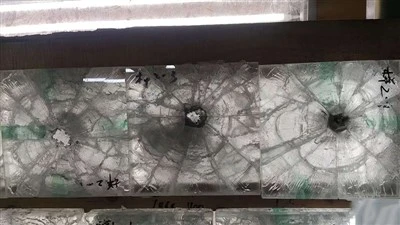
Bulletproof glass, on the other hand, is a more complex material. It is typically made by laminating multiple layers of glass and plastic materials. The combination of these layers is what gives bulletproof glass its protective properties, but it also has an impact on its transparency.
The Layers of Bulletproof Glass and Their Impact on Transparency
The construction of bulletproof glass usually involves alternating layers of glass and polycarbonate or other plastic films. The glass provides hardness and some initial resistance to impact, while the plastic layers absorb and disperse the energy of the bullet.
Each layer in the bulletproof glass setup can potentially affect transparency. As light passes through the different materials, it can be refracted, reflected, or absorbed. The greater the number of layers, the more opportunities there are for these optical phenomena to occur. For instance, a basic bulletproof glass setup might have 3 – 5 layers, while a more advanced and high – protection one can have 10 or more layers.
However, modern manufacturing techniques have significantly improved the transparency of bulletproof glass. High – quality bulletproof glass for vehicles can now achieve light transmission rates of around 80% – 90%, which is very close to that of regular glass. The use of high – purity raw materials and precision lamination processes helps to minimize optical distortions.
Comparing Visual Distortions
Another aspect related to transparency is the presence of visual distortions. Regular glass is known for its minimal visual distortions. When looking through regular vehicle glass, objects outside appear as they are, without any significant bending or warping.
Bulletproof glass, due to its multi – layer construction, has a higher potential for visual distortions. These distortions can be caused by thickness variations in the layers, differences in the refractive indices of the glass and plastic materials, or imperfections in the lamination process.
But again, advancements in technology have mitigated this issue. Our company invests heavily in quality control and research to ensure that our bulletproof glass has minimal visual distortions. We use cutting – edge manufacturing equipment to create uniform layers and precise lamination, which helps to provide a clear and distortion – free view similar to what you would get with regular glass.
Real – World Performance and User Experience
In real – world driving scenarios, the transparency of the vehicle glass directly impacts the driver’s ability to perceive the road and surroundings. With regular glass, drivers are accustomed to a clear, unobstructed view, which is crucial for safe driving, especially at high speeds or in adverse weather conditions.
When it comes to bulletproof glass, users need to understand that while it might have a slightly lower transparency compared to regular glass, the reduction is usually not significant enough to impede driving abilities. For example, our bulletproof glass has been tested in various driving conditions, including bright sunlight, heavy rain, and low – light situations. In most cases, the visual clarity is sufficient for the driver to make accurate judgments.
However, some users may notice a slight tint or a difference in color perception. This is because the plastic layers in bulletproof glass can have a natural tint, which can be adjusted during the manufacturing process. We offer different options for tint levels to suit the specific needs of our clients, whether they want a clear, almost invisible bulletproof glass or a tinted one for privacy and glare reduction.
Applications and Requirements
The requirements for transparency can vary depending on the application of the vehicle. For civilian vehicles, such as luxury cars or SUVs, high transparency is essential to maintain a normal driving experience. Our bulletproof glass for civilian vehicles is engineered to provide the highest possible transparency while still meeting the necessary ballistic protection standards.
In the case of military or law – enforcement vehicles, the requirements may be different. While transparency is still important, these vehicles often operate in more extreme conditions and may prioritize other factors such as durability and protection over absolute transparency. Our bulletproof glass for these applications is designed to strike a balance between transparency and the ability to withstand high – impact threats.
Maintenance and Long – Term Transparency
Regular glass is relatively easy to maintain, and its transparency can be maintained over a long period with simple cleaning. Bulletproof glass also requires proper maintenance to preserve its transparency. The plastic layers in bulletproof glass can be more prone to scratching compared to regular glass. However, we provide our clients with specific cleaning instructions and recommend using non – abrasive cleaners to avoid damaging the surface.
Over time, exposure to sunlight, heat, and environmental pollutants can also affect the transparency of both regular and bulletproof glass. Our bulletproof glass is treated with special coatings to enhance its resistance to these factors, ensuring that it retains its transparency for a longer time.
Conclusion
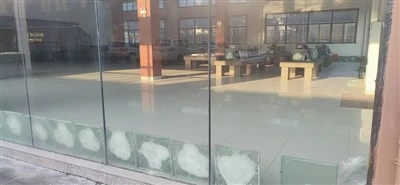
In conclusion, while the transparency of bulletproof glass for vehicles is not exactly the same as that of regular glass, modern technology has brought them very close. High – quality bulletproof glass can achieve light transmission rates and visual clarity that are sufficient for most driving applications. The differences in transparency are often negligible, and with proper maintenance and the right manufacturing techniques, the user experience can be very similar to that of using regular glass.
Bulletproof Glass for Vehicles If you are in the market for bulletproof glass for your vehicles, whether it’s for personal protection, security purposes, or other needs, I encourage you to reach out to us. We have a team of experts who can guide you through the selection process, answer all your questions, and provide you with the best bulletproof glass solutions tailored to your specific requirements. Contact us today to start a conversation about your bulletproof glass needs.
References
- ASTM International standards for vehicle glass transparency and bulletproof glass performance.
- Research papers on the optical properties of laminated materials used in bulletproof glass.
- Industry reports on the development of bulletproof glass technology and its impact on transparency.
Shaoxing Transparent Armoring Materials Co., Ltd.
As one of the most professional bulletproof glass for vehicles manufacturers and suppliers in China, we’re featured by quality products and good service. Please rest assured to buy durable bulletproof glass for vehicles made in China here from our factory. We also accept customized orders.
Address: No.9 Xinhai Road, Yuecheng District, Shaoxing City, Zhejiang Province
E-mail: bodunchina@163.com
WebSite: https://www.king-armor.com/
