As a supplier in the farm tractor industry, I’ve witnessed firsthand the significant impact of terrain on a tractor’s fuel consumption. Over the years, I’ve engaged with numerous farmers, studied various terrains, and analyzed tractor performance data. This experience has given me valuable insights into how different landscapes can influence fuel efficiency, which I’m eager to share. Farm Tractor
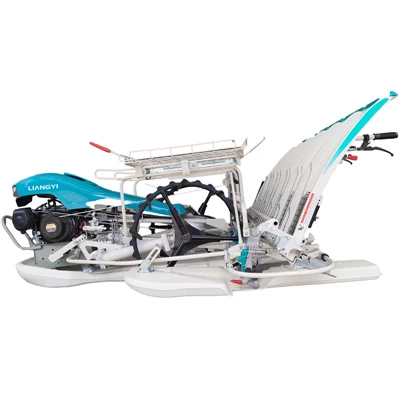
Flat and Even Terrains
One of the most common types of farming terrains is the flat and even field. Such landscapes are typically found in large – scale grain – growing regions, where the land has been meticulously leveled for efficient cultivation. In these areas, farm tractors generally enjoy optimal fuel efficiency.
When a tractor operates on a flat surface, the engine doesn’t have to work as hard to overcome gravity. The wheels roll smoothly, and there are no sudden inclines or declines to disrupt the tractor’s momentum. This allows the tractor to maintain a consistent speed with relatively low power output. For example, a medium – sized tractor with a 100 – horsepower engine might consume around 2 – 3 gallons of diesel per hour when plowing a flat field. The consistent power demand also means that the engine can operate within its most efficient RPM (revolutions per minute) range, further reducing fuel consumption.
However, even on flat terrains, there can be factors that affect fuel efficiency. Soil conditions play a crucial role. If the soil is soft and loose, the tractor’s wheels may sink in slightly, increasing the rolling resistance. This forces the engine to work harder, leading to higher fuel consumption. On the other hand, if the soil is compact and firm, the rolling resistance is minimized, and the tractor can move more efficiently.
Hilly and Mountainous Terrains
Hilly and mountainous terrains present a completely different set of challenges for farm tractors. When climbing uphill, the tractor has to overcome the force of gravity, which requires a significant increase in power output. The engine has to work much harder to maintain speed, and as a result, fuel consumption can skyrocket.
For instance, when a tractor is climbing a steep hill with a gradient of 15 – 20 degrees, the fuel consumption can double or even triple compared to its consumption on flat ground. The tractor may need to downshift to a lower gear to provide more torque, and the engine will operate at a higher RPM, burning more fuel in the process.
Descending hills also poses challenges. Although gravity helps the tractor move, the operator has to use the brakes to control the speed. Frequent braking can cause wear and tear on the braking system and also reduce the overall efficiency of the tractor. In some cases, tractors may be equipped with engine – braking systems to help manage the speed on downhill slopes, but these systems also have an impact on fuel consumption.
In addition to the uphill and downhill challenges, hilly terrains often have uneven surfaces, which can lead to increased vibration and instability. This can cause the tractor to use more fuel as the engine has to work harder to compensate for the uneven movement.
Wet and Marshy Terrains
Farmland in wet and marshy areas is another terrain type that can significantly affect a tractor’s fuel consumption. In these conditions, the soft and wet soil creates high resistance to the tractor’s movement. The wheels tend to sink deeper into the ground, and the tractor has to use more power to pull itself through the muck.
The increased traction required in wet terrains means that the engine has to work overtime. A tractor that might consume 3 gallons per hour on dry, flat ground could consume 5 – 6 gallons per hour in a wet, marshy field. Moreover, the constant struggle to move through the soft soil can cause the tractor’s tires to spin, further wasting fuel and potentially damaging the soil.
Another issue with wet terrains is the risk of getting stuck. If a tractor gets stuck, it has to use a large amount of fuel to extricate itself. This can be a major problem for farmers, as it not only increases fuel costs but also leads to downtime and potential damage to the tractor.
Rocky and Rough Terrains
Rocky and rough terrains are perhaps the most challenging for farm tractors. The uneven surface and the presence of large rocks can cause the tractor to bounce and jolt, making it difficult to maintain a consistent speed. The engine has to constantly adjust its power output to deal with these irregularities, which leads to higher fuel consumption.
The tractor’s suspension system also has to work hard to absorb the shocks from the rough terrain. This additional load on the tractor’s components can cause the engine to use more fuel. In addition, the risk of damage to the tractor’s tires, wheels, and undercarriage is much higher in rocky terrains. A damaged tire or wheel can cause the tractor to pull to one side, increasing the rolling resistance and further increasing fuel consumption.
Impact on Farming Operations and Profitability
The effect of terrain on a tractor’s fuel consumption has a direct impact on farming operations and profitability. Higher fuel costs mean lower profit margins for farmers. In regions with challenging terrains, farmers may have to spend a significant portion of their budget on fuel, which can eat into their overall income.
For example, a farmer in a hilly area may spend 30 – 40% more on fuel compared to a farmer in a flat region. This additional cost can make it difficult for farmers in hilly areas to compete with those in more favorable terrains. Moreover, the increased wear and tear on tractors operating in challenging terrains can lead to higher maintenance costs, further reducing profitability.
Strategies to Mitigate Fuel Consumption
As a farm tractor supplier, I understand the importance of helping farmers reduce fuel consumption. Here are some strategies that can be effective in different terrains:
- Proper Tire Selection: Choosing the right tires for the terrain can make a big difference. For wet and marshy terrains, wide – tread tires with good traction can reduce the sinking of the tractor and improve fuel efficiency. On rocky terrains, tires with reinforced sidewalls can prevent punctures and reduce the risk of damage.
- Engine Tuning: Regular engine tuning can ensure that the tractor’s engine is operating at its most efficient level. This includes adjusting the fuel injection system, checking the air filter, and maintaining the correct engine oil level.
- Operator Training: Well – trained operators can significantly reduce fuel consumption. They know how to operate the tractor at the optimal speed, use the gears effectively, and avoid unnecessary idling. For example, on hilly terrains, an experienced operator can anticipate the inclines and declines and adjust the tractor’s speed and gear accordingly.
Conclusion
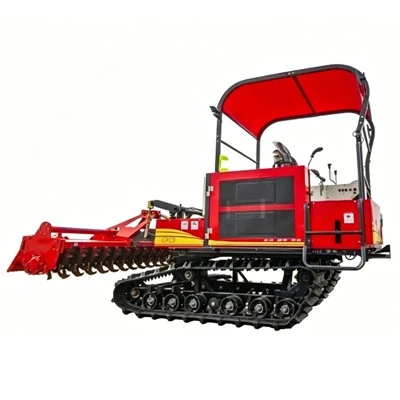
In conclusion, terrain has a profound effect on a farm tractor’s fuel consumption. Whether it’s flat, hilly, wet, or rocky, each type of terrain presents unique challenges that can increase fuel costs and reduce the efficiency of farming operations. As a farm tractor supplier, I’m committed to providing farmers with the best – suited tractors for their specific terrains and offering advice on how to minimize fuel consumption.
Rice Combine Harvester If you’re a farmer looking for a farm tractor that can perform efficiently in your specific terrain or want to discuss strategies to reduce fuel consumption, I’d be more than happy to engage in a procurement discussion. Let’s work together to optimize your farming operations and improve your profitability.
References
- "Farm Machinery and Equipment Management" by Neil S. Gates
- "Tractor Performance and Efficiency in Different Terrains" – Agricultural Engineering Research Journal
- "The Impact of Terrain on Fuel Consumption of Farm Vehicles" – International Journal of Agricultural Engineering
Huzhou Liangyi Agro Machinery Co., Ltd.
As one of the most professional farm tractor manufacturers and suppliers in China, we have world-leading production equipment and strong manufacturing capabilities. Please rest assured to wholesale advanced farm tractor from our factory. Contact us for more cheap products.
Address: High-Tech Industrial Zone, Huzhou City, Zhejiang Province, China
E-mail: Liangyi_agro@126.Com
WebSite: https://www.cnliangyi-agro.com/
