What is the operating temperature range of a curtain motor? Curtain Motor

As a supplier of curtain motors, I often encounter inquiries from customers regarding the operating temperature range of our products. Understanding this parameter is crucial as it directly impacts the performance, reliability, and lifespan of the curtain motor. In this blog post, I will delve into the details of the operating temperature range of curtain motors, the factors influencing it, and why it matters for your applications.
The Typical Operating Temperature Range
The operating temperature range of a curtain motor generally falls between -20°C to 60°C (-4°F to 140°F). This range is designed to accommodate a wide variety of environments, from cold storage facilities and unheated warehouses in winter to hot and humid living rooms or commercial spaces during summer.
In colder temperatures, the lubricants used in the motor’s moving parts can thicken, increasing friction and potentially reducing the motor’s efficiency. If the temperature drops too low, the battery (if the motor is battery – powered) may also experience reduced capacity and performance. For example, at -20°C, a lithium – ion battery may only provide around 50% of its rated capacity compared to its performance at room temperature.
On the other hand, high temperatures can cause the motor’s insulation materials to degrade more quickly. Excessive heat can also lead to overheating of the motor windings, which may cause the motor to trip a thermal overload protection device or, in extreme cases, result in permanent damage to the motor. At 60°C, the internal components of the motor are under a significant amount of stress, and continuous operation at this temperature can shorten the motor’s lifespan.
Factors Affecting the Operating Temperature Range
Motor Design and Construction
The materials used in the motor’s construction play a vital role in determining its operating temperature range. High – quality insulation materials can withstand higher temperatures without degrading. For instance, motors with Class F insulation can operate at a higher temperature rise compared to those with Class B insulation. The design of the motor’s cooling system is also important. Some motors are equipped with built – in fans or heat sinks to dissipate heat more effectively, allowing them to operate in higher – temperature environments.
Load Conditions
The load on the curtain motor affects its operating temperature. If the curtain is too heavy or if there is excessive resistance in the curtain track, the motor has to work harder to move the curtain. This increased workload generates more heat, which can push the motor’s temperature towards the upper end of its operating range. For example, a motor that is designed to move a lightweight sheer curtain may overheat if it is used to move a heavy blackout curtain.
Environmental Factors
The surrounding environment can have a significant impact on the motor’s operating temperature. In a well – ventilated area, heat can dissipate more easily, allowing the motor to operate at a lower temperature. Conversely, in a confined space with poor ventilation, heat can build up around the motor, increasing its temperature. Humidity can also be a factor. High humidity can cause corrosion on the motor’s components, which can affect its performance and potentially increase the operating temperature.
Why the Operating Temperature Range Matters
Performance and Efficiency
Operating a curtain motor within its recommended temperature range ensures optimal performance and efficiency. When the motor is too cold, it may struggle to start or operate smoothly due to the increased friction in its moving parts. When the motor is too hot, it may experience a drop in power output, leading to slower curtain movement. By maintaining the motor within its proper temperature range, you can ensure that the curtain opens and closes at the desired speed and with the right amount of force.
Reliability and Lifespan
Exceeding the operating temperature range can significantly reduce the reliability and lifespan of the curtain motor. High temperatures can cause the insulation on the motor windings to break down, leading to short – circuits and motor failure. Cold temperatures can cause the lubricants to solidify, which can damage the bearings and other moving parts. By operating the motor within the recommended temperature range, you can minimize the risk of premature failure and extend the motor’s lifespan.
Safety
Operating a curtain motor outside of its temperature range can pose a safety risk. Overheating motors can be a fire hazard, especially if they are installed near flammable materials. In addition, a motor that is not functioning properly due to temperature issues may cause the curtain to jam, which can be a safety concern, especially in emergency situations where the curtain needs to be opened or closed quickly.
Selecting the Right Curtain Motor Based on Temperature Requirements
When choosing a curtain motor for your application, it is essential to consider the temperature conditions of the installation environment. If you are installing the motor in a cold climate, look for a motor that has a lower minimum operating temperature. Some motors are specifically designed for cold – weather use and may have features such as heated components or special lubricants that can withstand low temperatures.
If you are installing the motor in a hot environment, such as a sunroom or a commercial kitchen, choose a motor with a high maximum operating temperature and good heat dissipation capabilities. Motors with larger heat sinks or built – in fans are better suited for these types of environments.
Conclusion
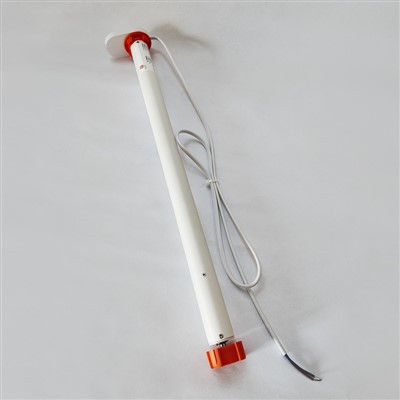
In conclusion, understanding the operating temperature range of a curtain motor is crucial for ensuring its optimal performance, reliability, and safety. As a curtain motor supplier, we are committed to providing our customers with motors that can operate effectively in a wide range of temperature conditions. Our products are designed and tested to meet the highest standards, and we can offer expert advice on selecting the right motor for your specific application.
Tubular Motor If you are in the market for a curtain motor and have questions about temperature requirements or any other aspects of our products, we encourage you to reach out to us. Our team of experienced professionals is ready to assist you in making the best choice for your needs. Whether you are a homeowner looking to automate your curtains or a commercial contractor working on a large – scale project, we can provide you with the solutions you need.
References
- "Electric Motor Handbook", Third Edition, by Arnold Tustin
- "Motor and Drive Systems: Design, Analysis, and Application", by Paul C. Krause, Oleg Wasynczuk, and Scott D. Sudhoff
- Technical documentation from leading curtain motor manufacturers.
Guangdong Langsen M.&E. Co., Ltd.
As one of the most professional curtain motor manufacturers and suppliers in China, we’re featured by quality products and good service. Please rest assured to wholesale customized curtain motor made in China here from our factory. Contact us for more details.
Address: No. 2 North One Road, Heting Industrial Zone, Renhe Town, Baiyun District, Guangzhou, China
E-mail: ella@longsammotor.com
WebSite: https://www.langsenmotor.com/
