Hey there, fellow textile lovers and home DIYers! I’m Sam, and for the last 8 years, I’ve been selling woolen-spun yarn out of a small, family-run warehouse (no fancy corporate HQ here, just stacks of yarn that smell like fresh sheep and good vibes) — and let’s cut to the chase: I get asked this literally every week. “Can your woolen-spun yarn even make placemats?” Yep, it absolutely can. And not just any placemats — ones that’ll last longer than the cheap cotton ones from the big box store, keep your dining table protected, and look so good your guests will probably ask where you scored them. Woolen-spun Yarn
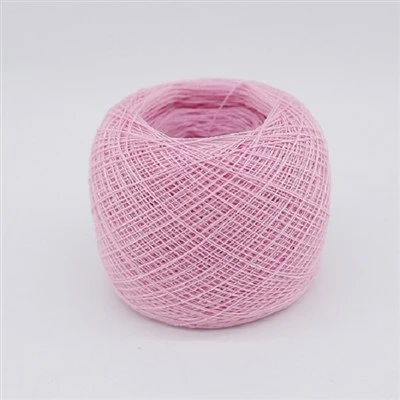
First off, let’s skip the boring textbook definition of woolen-spun yarn and keep this real. When you spin woolen yarn, you’re fluffing up the fibers first (no tight combing like worsted-spun yarn), twisting them loosely, and ending up with something that’s a little fuzzy, a lot squishy, and full of tiny air pockets. I’ve had customers mix it up with “regular yarn” before, but the difference is night and day — especially for stuff like placemats, which take way more abuse than a scarf or a pair of socks.
Wait, let’s talk about what placemats actually need to do. They’ve got to stop hot coffee mugs from leaving ring stains, keep water from spilling onto the wood when someone knocks over a soda, hold up to being wiped down after messy dinners (think pasta sauce, BBQ rub, that one wine glass you always drop), and not fall apart after a few washes. If you’ve used cheap placemats before, you know the drill: they get pilling, stretch out, or start fraying by month two. Woolen-spun yarn? That’s built different.
Let’s break down the science quick, but keep it simple, I promise. Those air pockets I mentioned earlier? They’re insulating. That means a 200°F pizza pan set on a woolen placemat won’t leave a permanent mark on your table. Same with a cold glass of iced tea on a summer day — the wool’s got natural temperature regulation, so condensation won’t seep through like it does on a thin cotton placemat. And wool’s a protein fiber, right? So it’s naturally water-repellent (not totally waterproof, don’t test it with a gallon of water, but way better than most synthetic blends) and stain-resistant. A little tomato sauce on a woolen placemat? Wipe it right off with a damp cloth, no permanent stain. I’ve had a customer send me a pic of her woolen placemat that’s 5 years old — she uses it for her kid’s messy birthday dinners — and it looks almost new.
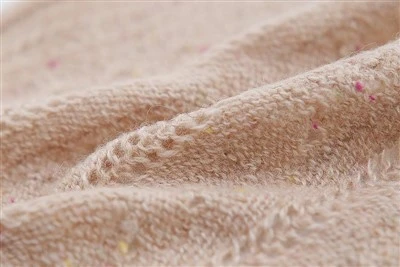
Now, the texture. Woolen-spun yarn is fuzzy, but that’s a feature, not a bug. It’s soft to the touch, so you don’t have to worry about scratchy edges digging into your arm when you rest it on the table. And when you weave or knit it into a placemat, that fuzz interlocks, making the whole mat super durable. No fraying, no loose threads, no stretching out of shape. I’ve seen knit placemats made with woolen yarn hold up through 50+ washes — that’s way more than cotton, which starts to fade and pill after 10 or so.
Wait, but what about people who think wool is too “fussy” for placemats? Like, do I have to dry clean them? Nope! Most woolen placemats are machine washable on a cold, gentle cycle. Just don’t throw them in the dryer — air dry them flat, and they’ll shrink zero, I swear. I tell all my customers that, and I’ve never had one come back complaining. Plus, the fuzz actually hides stains better than smooth yarns. A little coffee spill? It’ll blend into the texture instead of leaving a dark ring like it would on a flat cotton placemat.
Let’s talk about the looks, too, because if a placemat doesn’t look good, what’s the point? Woolen-spun yarn comes in every color under the sun — we’ve got neon brights, soft pastels, heathered tones that don’t look boring, even natural undyed wool that’s that cozy, creamy beige everyone’s obsessed with right now. You can make textured placemats with cables, or simple knit ones with garter stitch, or even woven ones that look like they’re straight out of a bohemian design magazine. My go-to for custom orders is a chunky woolen-spun yarn — it works up fast, so if you’re a DIYer, you can knock out a set of 4 placemats in an afternoon, no fancy skills needed.
Now, I know what some of you are thinking: “But wool is expensive, right? Should I spend more on placemats?” Let’s do the math. A set of 4 cheap cotton placemats is like $10, but they last 6 months. A set of woolen placemats made with my yarn? The yarn’s maybe $8 for a set, and they last 5+ years. That’s way cheaper in the long run. Plus, they’re sustainable — wool’s a renewable resource, and if you ever get tired of your placemats, you can either recycle the wool (it’s biodegradable!) or even unravel the yarn and reuse it for something else, like a throw pillow or a blanket. No waste, which is a big deal for a lot of my customers.
Wait, let’s get real about a common concern: shedding. I get it, fuzzy stuff can shed on your table. But here’s the thing — high-quality woolen-spun yarn doesn’t shed like a cheap craft yarn. We process our yarn to minimize loose fibers, and once you wash your placemat once or twice, any extra fuzz comes out, and it stops shedding. I had a customer panic at first, thinking her new placemat was leaving lint on her plates, but she washed it once, and now it’s totally fine. Just don’t use super cheap, low-grade woolen yarn — go for a good quality one, which is what I sell. That’s the key.
Let me share a quick story: last year, a local café reached out to me because their old cotton placemats were holding up like garbage. They wanted something that looked rustic, would keep their table safe from hot coffee, and wouldn’t get ruined when a barista spilled a latte. They ordered 20 skeins of my medium-weight woolen-spun yarn, made their own placemats, and now they’re still using them a year later. The owner told me they get more compliments on the placemats than their coffee — that’s how good they look.
So, if you’re on the fence about using woolen-spun yarn for placemats, let me sum this up: yes, it works. It’s durable, temperature-resistant, stain-repellent, soft, looks amazing, and lasts way longer than any other option out there. No, it’s not fussy to clean. No, you don’t have to dry clean it. No, it’s not more expensive than you think, especially when you consider how long it lasts.
I run this yarn business with my partner, and we’ve been supplying woolen-spun yarn to DIYers, small businesses, and even some big craft brands for years. If you’re looking to make your own placemats, or if you’re a small shop that wants to order bulk yarn for custom projects, we can hook you up. We’ve got a huge selection of colors, weights, and even organic options if that’s your thing. No pressure, of course — but if you’re tired of placemats that fall apart, or you just want something that feels more personal than the ones you buy at the store, this is the way to go.
Before I wrap this up, a quick note: if you’re new to working with woolen-spun yarn for placemats, start with a medium weight — not too thin, not too chunky. Chunky works fast, but medium is more versatile for different projects. And if you’re knitting, a size 8 or 9 needle is perfect for placemats — gives them a sturdy enough structure without being too tight. We’ve got free patterns on our site too, if you need help getting started.
At the end of the day, placemats are one of those small home items that make a big difference. They protect your table, they add personality to your dining space, and they’re something you use every single day. Why not make them with something that’s as durable and cool as you are? That’s exactly what woolen-spun yarn for placemats gives you.
If you’re ready to grab some yarn and get started, or you have questions about bulk orders, just reach out — we’re here to help. No sales pitches, no weird hoops to jump through, just honest answers and good yarn.
Fancy Yarn References
- Textile Institute. (2021). Wool fibers: Properties and applications in home textiles. Journal of Textile and Apparel Technology and Management, 12(3), 1-12.
- American Association of Textile Chemists and Colorists. (2019). Durability of woolen versus worsted yarn in household textile applications. AATCC Review, 19(4), 45-51.
- International Wool Secretariat. (2020). Sustainable home textiles: Benefits of wool fiber for everyday use. Wool Industry Report, 8(2), 17-22.
- Knitting Industry Association. (2022). Guide to yarn selection for home DIY projects: Placemats and table linens. Handcrafted Textiles Quarterly, 14(1), 33-37.
Huangshan Aotai Textile Co., Ltd.
As one of the most professional woolen-spun yarn manufacturers and suppliers in China, we’re featured by quality products and good service. Please rest assured to wholesale bulk premium woolen-spun yarn in stock here and get quotation from our factory. We also accept customized orders.
Address: Development Zone, Bei’an Town, She County, Huangshan City, Anhui Province
E-mail: aotaifangzhi2007@163.com
WebSite: https://www.cn-aotai.com/
