Alright, let’s cut to the chase: if you’re pulling together a large dance event—think 500+ people, maybe a concert, wedding, or festival—one of the most overlooked (but make-or-break) parts is the floor. I’ve been in the dance flooring game for a hot minute now, and I’ve seen so many events crash and burn because they tried to save a buck on that last-minute rental of flimsy old panels. You don’t want to be the one whose guests are tripping over warped wood or sliding into a wall mid-bop, right? Dance Flooring
Let’s start with what makes a dance floor work for big crowds. It’s not just about “looking nice”—it’s about safety, consistency, and durability. A large event means more pressure, way more foot traffic, and all kinds of shoes: stilettos that can pierce thin material, sneakers that scuff, and boots that drag. If you pick the wrong flooring, you’re looking at twisted ankles, ruined shoes, and a floor that’s littered with holes by the end of the first set. Not fun for anyone.
First up, let’s talk about the big players here, because that’s what event planners actually need to know. The top pick for most large events? Portable interlocking vinyl dance floors. Wait, hear me out—don’t zone out. These aren’t the flimsy plastic mats you buy at a party store. We’re talking heavy-duty, ¼-inch thick or more vinyl panels that click together like Legos but way sturdier. Why are these the go-to for festivals, corporate galas, and wedding receptions with 1,000+ guests? Let’s break it down.
For one, they’re super easy to install. If you’ve ever tried to lay a roll of vinyl in a big space without it wrinkling, you know the nightmare. Interlocking panels snap into place in a fraction of the time, no adhesive needed. That means less setup stress for your event team, and you can get the floor down and start testing it faster. Plus, if you need to adjust for a stage or a weird-shaped room, you just cut a panel (we sell pre-cut edge pieces, so you don’t have to do a bad DIY job) and keep moving.
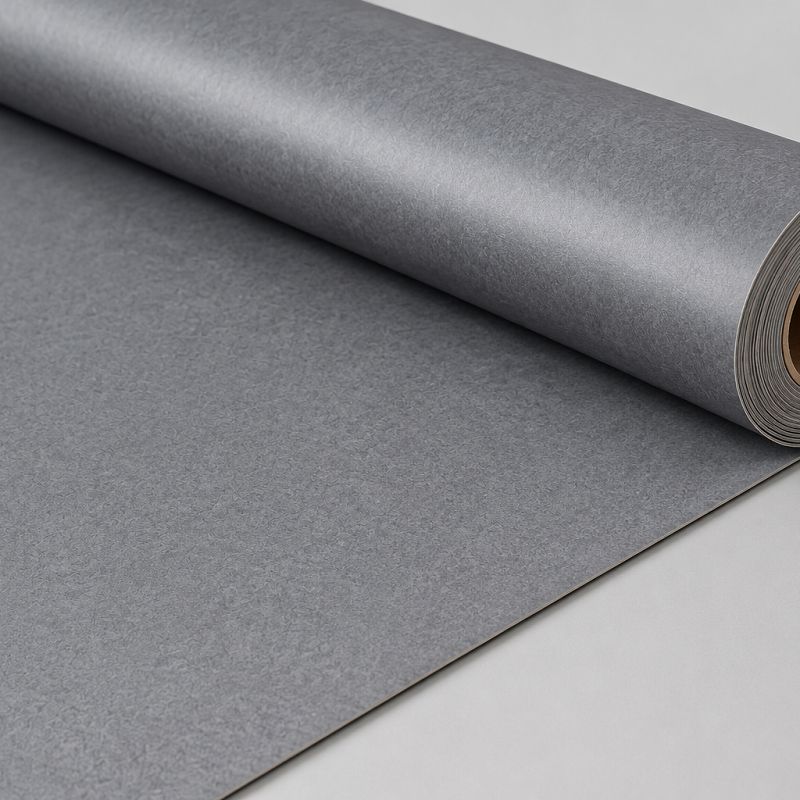
But safety is the real win here. Good portable vinyl dance floors have a textured, non-slip top layer that’s not too grippy (you don’t want people clinging for balance) and not too slippery (see: the wall incident I mentioned earlier). They also have a slight cushioning—about 10% give—underneath that softens the impact of all those stomps, jumps, and spins. That’s a big deal for large events because all that collective movement adds up. No more sore guests complaining about hard floors ruining their night. And for stilettos? The thick vinyl is puncture-resistant—we’ve had events with hundreds of pairs of heels going at it, and not a single hole. Trust me, I’ve tested this myself (on a rental demo, not a real event, don’t worry—my own heels aren’t that crazy).
Wait, but some people swear by sprung wood floors for big events. Let’s address that, because it’s a common debate. Sprung wood is the stuff you see in professional dance studios—wood planks on springs that absorb impact. It’s amazing for dance because it’s designed for movement, reduces knee strain, and feels really solid. But here’s the catch for large events: sprung wood is heavy, super expensive to install and disassemble, and it’s not portable. If you’re renting a space that’s not a dedicated studio, you’re looking at days of setup, plus you have to make sure the subfloor is perfectly flat (a big headache for outdoor events, or even big warehouse spaces that have a slight slope). Also, wood is way more susceptible to damage from spills, especially if the event is outdoors or has an open bar. A soda or wine spill can warp wood panels, and scuffs from sneakers are permanent. So sprung wood is great if you’re hosting a small, professional dance competition in a fixed venue, but for a large, mobile event? It’s not worth the hassle or the cost.
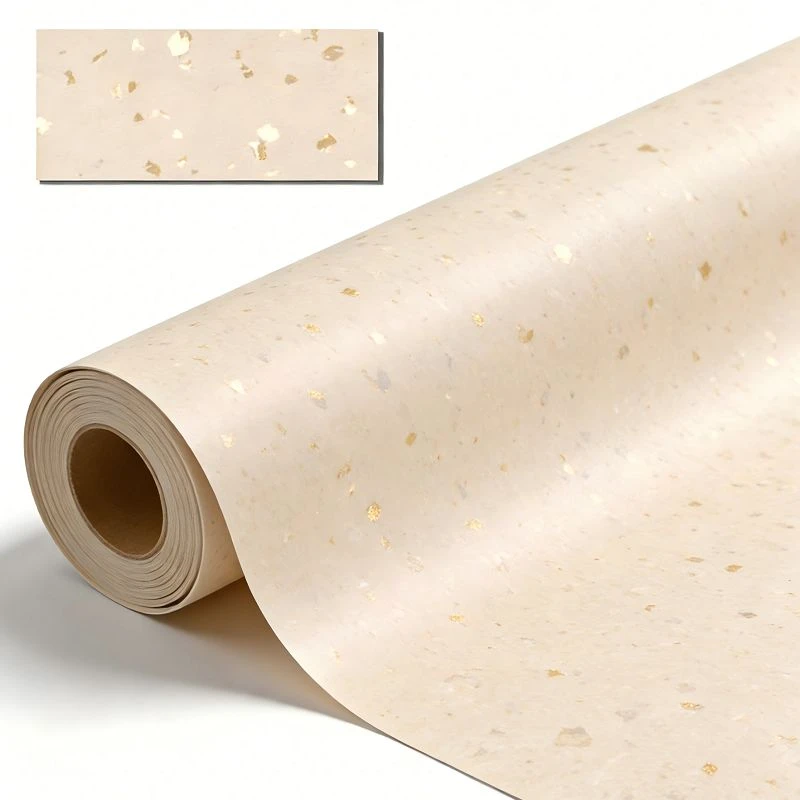
Now, what about outdoor large events? If you’re planning a festival or a block party that’s going on grass or concrete, you need a different pick. Roll-out vinyl flooring is a common go-to here, but not just any roll. You need a commercial-grade, reinforced vinyl that can handle uneven ground and outdoor elements. The trick with outdoor roll flooring is that it needs a heavy-duty underlayment—usually a foam or rubber mat—so it doesn’t get wrinkles from grass blades or concrete bumps. Also, UV resistance is key if it’s going to be in the sun all day; otherwise, the vinyl will fade and get brittle by the end of the event. We’ve used this for a few summer festivals, and it holds up even when it gets 90 degrees out (no, it doesn’t get sticky, I promise—good outdoor vinyl has a breathable top layer). But wait, roll-outs can be tricky for really large crowds because they shift if people are jumping a lot. If you pair it with weighted edge strips to keep it anchored, though, it works pretty well. Just skip the cheap party store rolls—those will tear in two hours.
Let’s talk about the mistakes I see all the time with large event flooring. Number one: using a regular gym floor or cheap plastic panels. Gym floors are great for basketball, but they’re designed for straight-line movement, not spins and turns. They’re way too slippery for dance, and they scuff super easily. Cheap plastic interlocking panels? They bend under heavy weight, crack if someone drops a speaker, and don’t have any cushioning. We had a client last year who tried to save $2,000 on panels for a wedding with 800 guests, and by the second dance set, 20 panels were broken, and three guests twisted their ankles. He ended up paying more in repairs and refunds than if he’d just bought the good stuff. Ouch.
Number two: not testing for the subfloor. If you’re laying flooring on concrete, you need to make sure it’s completely dry and level. Moisture under vinyl will cause it to bubble and peel, even the good stuff. For grass, you have to remove all the rocks and bumps first—no exceptions. I’ve seen event teams skip that step, and by the end of the night, half the floor was lumpy and people were tripping. It’s not hard to prep, but it’s non-negotiable for large events.
Another thing to consider: the look. A lot of event planners care about how the floor looks in photos, especially for weddings or corporate galas. Good interlocking vinyl panels come in matte black, white, wood grain, even custom prints. We did a festival last year that had custom logo panels, and they looked killer on Instagram. Roll-out vinyl also comes in different colors, but it’s less durable for heavy traffic. If you want something that looks sleek and holds up, interlocking is the way to go.
Wait, what about people who dance professionally at large events? Like, if you’re hosting a dance competition or a performance where people are doing spins and leaps. For that, interlocking vinyl with a soft cushion layer is still perfect—way more portable than sprung wood, and it has enough give to prevent injury. We supply a lot of these for regional dance competitions, and the judges always comment on how consistent the floor is, even with 50 teams going at it in a day.
Let’s get practical here. How much does this stuff cost? I know that’s a big question for event organizers. For a 1,000-square-foot space (that’s about enough for 150 dancers, or a large lounge area), good interlocking vinyl panels are around $3 to $5 per square foot, installed. Roll-out outdoor is a bit cheaper, around $2 to $4, but you need to add the underlayment, which is another $1 per square foot. Sprung wood is way more, like $8 to $12 per square foot, and that’s just for installation, not the panels themselves. So if you’re on a budget for a large event, interlocking is the sweet spot—you get durability, safety, and ease of setup without breaking the bank.
But here’s the thing: the best flooring isn’t just about the type. It’s about matching the flooring to your specific event. Let’s say you’re throwing a wedding reception with 600 guests, mostly women in heels, on a concrete venue floor. Interlocking vinyl is perfect—sturdy, safe, looks great, easy to install. If you’re doing a 2-day outdoor music festival on grass with 2,000 people, outdoor roll vinyl with a heavy underlayment is the move. If you’re a dance studio hosting a regional competition in a fixed space, sprung wood is ideal, but only if you can handle the cost and setup.
I’ve been in this industry long enough to know that event planners are busy—you don’t have time to research every single flooring option, and you don’t want to make a mistake that ruins your event. That’s why we don’t just sell flooring; we help you figure out what you actually need. We send out a team to assess your venue, the size of your crowd, the type of event, and even the shoes people will be wearing, and then we give you a quote that’s transparent, no hidden fees. We also deliver and pick up, so you don’t have to rent a truck and haul 100 panels around.
Last month, we worked on a 1,200-person corporate holiday party. The planner initially tried to go with cheap plastic panels, but when we showed her the demo of how those panels bend under pressure, she switched to our heavy-duty interlocking vinyl. By the end of the night, she texted me a video of people dancing on the floor, doing spins and group jumps, and not a single incident. She also told me it looked way better in the photos than she thought it would, because the matte black panels didn’t reflect the venue lights too much. That’s the kind of win we live for.
Look, I’m not here to push the most expensive flooring. I’m here to tell you what actually works for large events. If you skimp on dance flooring, you’re risking everything: guest safety, event flow, your reputation. I’ve seen too many events go south because someone cut corners on the floor. The right dance floor is an investment that makes your event way more fun, way less stressful, and way more memorable.
If you’re planning a large event and need to figure out what flooring is best, don’t overthink it. Just reach out. We’ll walk you through all the options, answer any questions you have (even the “will it work with stilettos?” one), and make sure you get the right floor for your space and crowd. No pressure, no salesy nonsense—just straight talk about what works.
ESD Flooring References:
- International Association of Dance Medicine & Science. (2020). Dance Flooring Recommendations for Professional and Event Spaces. Journal of Dance Science & Health.
- Event Industry News. (2022). Top 5 Flooring Solutions for Large-Scale Outdoor and Indoor Events. Event Tech Report.
- National Floor Safety Institute. (2021). Slip Resistance Standards for Public Event Surfaces. Safety Compliance Bulletin.
- Dance Studio Life. (2019). Portable vs. Permanent Flooring: Pros and Cons for Event Rentals. Industry Guide.
Qingdao Xinkailin Environmental Protection Materials Co., Ltd.
As one of the most professional dance flooring manufacturers and suppliers in China, we’re featured by quality products and good price. Please rest assured to buy premium dance flooring for sale here from our factory. Also, custom service is available.
Address: Room 618, Hedaxinduhui, No. 196 Tailiu Road, Shibei District, Qingdao City
E-mail: laura@xklflooring.com
WebSite: https://www.xklflooring.com/
