As a supplier of Textilene Fabrics, I often encounter inquiries about the fabric’s various properties, and one question that comes up quite frequently is: What is the heat resistance of Textilene Fabrics? In this blog post, I’ll delve into the science behind this popular fabric’s heat resistance, exploring its structure, how it performs under different heat conditions, and why it matters in various applications. Textilene Fabrics
Understanding Textilene Fabrics
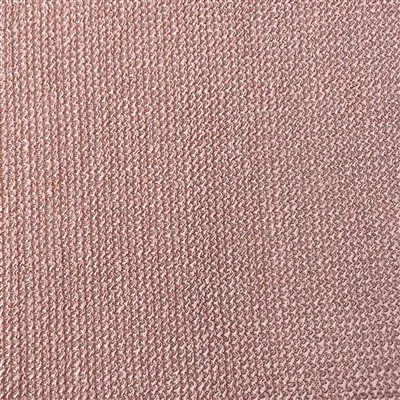
First, let’s briefly understand what Textilene Fabrics are. Textilene is a type of synthetic fabric made primarily from polyester or PVC-coated polyester. It’s renowned for its durability, breathability, and versatility. It has become a go-to material for a wide range of applications, including outdoor furniture, awnings, and marine upholstery. The fabric’s strength and resistance to various environmental factors stem from its unique manufacturing process and the inherent properties of its base materials.
The Science of Heat Resistance
Heat resistance in fabrics is determined by several factors. One of the most crucial is the melting point of the fibers that make up the fabric. Polyester, a common component in Textilene Fabrics, has a relatively high melting point, typically around 250 – 260°C (482 – 500°F). This means that under normal conditions, Textilene can withstand a significant amount of heat before it starts to melt or deform.
Another factor is the chemical structure of the fibers. The long-chain polymer molecules in polyester are tightly packed and held together by strong chemical bonds. These bonds require a large amount of energy (in the form of heat) to break, which contributes to the fabric’s heat resistance. Additionally, the PVC coating in some Textilene Fabrics can further enhance the heat resistance. PVC has its own heat – resistant properties, and when applied as a coating, it forms a protective layer that can shield the underlying polyester fibers from direct heat.
Performance Under Different Heat Conditions
Everyday Heat
In everyday outdoor settings, Textilene Fabrics are exposed to sunlight, which can heat up the fabric’s surface. The fabric’s heat – resistant properties allow it to withstand normal sunlight exposure without significant damage. For example, on a hot summer day when the ambient temperature reaches 30 – 40°C (86 – 104°F), the fabric remains stable and retains its shape and strength. This is essential for outdoor furniture, as it ensures that the seating and covering materials don’t warp or deteriorate due to the sun’s heat.
High – Heat Applications
Textilene Fabrics can also be used in some high – heat applications, although there are limits. In industrial settings where the fabric may be exposed to moderate levels of heat, such as near machinery that generates some warmth, it can perform well. However, it’s important to note that continuous exposure to extremely high temperatures close to or above the melting point of the polyester fibers can cause damage. For instance, if the fabric is placed directly on a hot surface like a barbecue grill or in an oven, the fibers will eventually start to melt and lose their integrity.
Testing Heat Resistance
To ensure the quality and heat resistance of our Textilene Fabrics, we conduct a series of tests. One common test is the thermal gravimetric analysis (TGA). In this test, a small sample of the fabric is heated at a controlled rate, and the weight loss of the sample is measured as a function of temperature. This helps us determine the temperature at which the fabric starts to decompose and provides valuable data on its heat stability.
We also perform flame resistance tests. While Textilene is not inherently fire – proof, some formulations can be treated to improve their flame resistance. These tests involve exposing the fabric to an open flame for a specified period and observing its reaction, such as whether it burns, melts, or self – extinguishes.
Importance of Heat Resistance in Different Applications
Outdoor Furniture
In the outdoor furniture industry, heat resistance is of utmost importance. Outdoor chairs, sofas, and loungers are constantly exposed to sunlight and high temperatures during the summer months. Textilene’s ability to withstand heat ensures that the furniture remains comfortable and functional for years. It doesn’t become sticky or lose its shape, providing a pleasant seating experience for users.
Awnings and Canopies
Awnings and canopies made from Textilene Fabrics are designed to provide shade and protection from the sun. The heat resistance of the fabric allows it to endure long hours of direct sunlight without fading or degrading. This not only maintains the aesthetic appeal of the awning but also ensures its structural integrity, so it can continue to provide reliable shade.
Marine Upholstery
On boats, the fabric is exposed to harsh sunlight, high humidity, and sometimes even the heat generated by engine compartments. The heat resistance of Textilene helps it withstand these conditions, making it an ideal choice for marine seating and interior decorations. It doesn’t break down easily due to the heat, which is crucial for maintaining the safety and comfort of passengers.
Comparing with Other Fabrics
When compared to other common fabrics used in outdoor and industrial applications, Textilene has a significant advantage in terms of heat resistance. Natural fabrics like cotton have a much lower heat tolerance. Cotton starts to char at around 150 – 200°C (302 – 392°F), which makes it unsuitable for applications where high heat exposure is possible.
Synthetic fabrics like nylon also have lower melting points compared to polyester – based Textilene. Nylon melts at around 215 – 225°C (419 – 437°F), meaning that in high – heat situations, Textilene is more likely to maintain its shape and integrity.
How to Maintain Heat Resistance
To ensure that our Textilene Fabrics maintain their heat – resistant properties over time, proper care is essential. Avoid exposing the fabric to direct contact with extremely hot objects. If the fabric gets dirty, clean it with mild soap and water, and avoid using harsh chemicals that can damage the fibers or the PVC coating.
Regular inspections are also important. Check for any signs of wear or damage, especially if the fabric has been exposed to high heat or extreme sunlight. If any damage is detected, it’s best to replace the affected parts to prevent further deterioration.
Conclusion
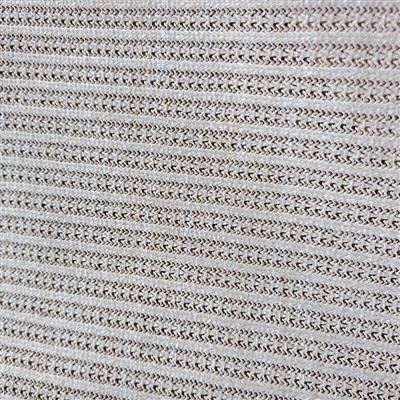
In conclusion, Textilene Fabrics offer impressive heat resistance thanks to the high melting point of polyester and, in some cases, the additional protection provided by a PVC coating. This property makes them suitable for a wide range of applications, from outdoor furniture to marine upholstery. Understanding the heat – resistant capabilities of Textilene is crucial for both manufacturers and end – users to make informed decisions about its use in different environments.
PP Woven Cloth If you’re interested in learning more about our Textilene Fabrics or are considering a purchase for your project, we’re here to assist you. Our team of experts can provide detailed information on the fabric’s heat resistance, as well as other properties and applications. Reach out to us for a consultation, and let’s discuss how our Textilene Fabrics can meet your specific needs.
References
- ASTM International. Standard test methods for flame resistance of textiles. ASTM D6413 – 11.
- Billmeyer, F. W., & Saltzman, M. (1996). Principles of polymer science and technology in textiles. Wiley – Interscience.
- Testfabrics, Inc. Guide to textile testing standards.
Nanping Kingway New Material Co., Ltd.
As one of the most professional textilene fabrics manufacturers and suppliers in China, we also support customized service. With abundant experience, we warmly welcome you to wholesale durable textilene fabrics in stock here from our factory. If you have any enquiry about pricelist, please feel free to email us.
Address: No. 10, Chengnan Branch Road, Chengjiao Town, Nanping, Fujian, China.
E-mail: npjwxcl@aliyun.com
WebSite: https://www.suernew.com/
