Hey there! As a supplier of vertical multistage pumps, I often get asked about how often these pumps should be maintained. It’s a crucial question, and the answer isn’t as straightforward as you might think. In this blog, I’m gonna break it down for you, sharing some practical insights based on my experience in the industry. Vertical Multistage Pump
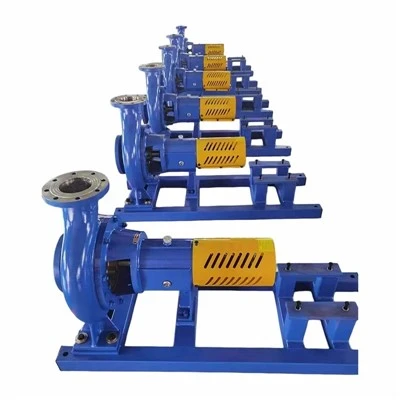
Understanding the Basics of Vertical Multistage Pumps
First off, let’s quickly go over what vertical multistage pumps are. These pumps are designed to increase the pressure of a fluid by using multiple impellers in series. They’re commonly used in a variety of applications, like water supply systems, building services, industrial processes, and booster systems. Their vertical design makes them space – efficient, which is a huge plus in many installations.
Factors Affecting Maintenance Frequency
There are several factors that play a role in determining how often a vertical multistage pump should be maintained.
1. Operating Conditions
The environment in which the pump operates has a significant impact. If the pump is used in a harsh industrial setting where there’s a lot of dust, debris, or chemicals in the air or the fluid being pumped, it’ll likely need more frequent maintenance. For example, if the pump is handling wastewater with high levels of sediment, the impellers and other internal components are more likely to wear out quickly. On the other hand, a pump used in a clean, residential water supply system might not require as much upkeep.
2. Usage Intensity
How often the pump runs also matters. A pump that operates continuously, say 24/7 in a large commercial building, will naturally experience more wear and tear compared to a pump that’s only used intermittently, like in a small cottage’s water system. The more hours the pump is in operation, the more frequently you should check its components.
3. Quality of Installation
A proper installation is key to the long – term performance of the pump. If the pump wasn’t installed correctly, it can lead to issues like misalignment, which can cause excessive vibration and premature wear on the bearings and other parts. Pumps that were not installed to the manufacturer’s specifications may need more frequent maintenance to address these problems.
4. Fluid Properties
The characteristics of the fluid being pumped are important. If the fluid is highly corrosive, viscous, or contains abrasive particles, it can damage the pump components. For instance, if a pump is used to transfer a chemical solution with a low pH level, the metal parts of the pump might corrode over time. In such cases, more regular inspections and maintenance are necessary.
General Maintenance Schedules
Based on these factors, here are some general guidelines for maintenance schedules:
Daily Checks
It’s a good idea to perform some basic checks every day, especially for pumps that are in continuous operation. These checks can include:
- Visual Inspection: Look for any signs of leaks around the pump, such as water pooling on the floor or wet spots on the pump casing. Check the connections between the pipes and the pump to make sure they’re tight.
- Temperature Monitoring: Use a thermometer to check the temperature of the pump motor. An unusually high temperature could indicate a problem with the motor or excessive friction within the pump.
- Noise and Vibration: Listen for any abnormal noises coming from the pump, such as grinding, rattling, or screeching. Excessive vibration can also be a sign of misalignment or a worn – out component.
Weekly Checks
On a weekly basis, you can do a more in – depth inspection:
- Lubrication: Check the lubrication levels in the pump bearings. Some pumps have oil – lubricated bearings, while others use grease. Make sure the lubricant is at the proper level and in good condition. If it’s dirty or low, top it up or change it as needed.
- Filter Inspection: If the pump has a filter, check it for clogs. A clogged filter can reduce the flow rate and put extra strain on the pump. Clean or replace the filter if necessary.
Monthly Checks
Once a month, you can perform some additional maintenance tasks:
- Belt Tension (if applicable): If the pump is driven by a belt, check the tension of the belt. A loose belt can slip, reducing the efficiency of the pump, while a too – tight belt can cause excessive wear on the bearings and the belt itself.
- Electrical Connections: Inspect the electrical connections to the pump motor. Make sure they’re clean, tight, and free of corrosion. Loose or corroded connections can cause electrical problems and even lead to motor failure.
Quarterly and Annual Maintenance
Every three months, you can perform more comprehensive checks, such as:
- Performance Testing: Measure the pump’s flow rate and pressure to ensure it’s operating at its rated capacity. A significant drop in performance could indicate a problem with the impellers, seals, or other internal components.
- Component Inspection: Disassemble the pump (if possible) and inspect the impellers, seals, and bearings for wear and damage. Replace any parts that are worn beyond the manufacturer’s recommended limits.
On an annual basis, it’s advisable to have a professional technician perform a full – scale maintenance service. This can include a detailed inspection of all components, calibration of the pump, and any necessary repairs or replacements.
The Importance of Regular Maintenance
Regular maintenance isn’t just about keeping the pump running; it’s also about saving you money in the long run. A well – maintained pump is more energy – efficient, which means lower electricity bills. It also has a longer lifespan, reducing the need for costly replacements. Moreover, regular maintenance can prevent unexpected breakdowns, which can be extremely disruptive, especially in critical applications like hospital water systems or industrial manufacturing processes.
Conclusion and Call – to – Action
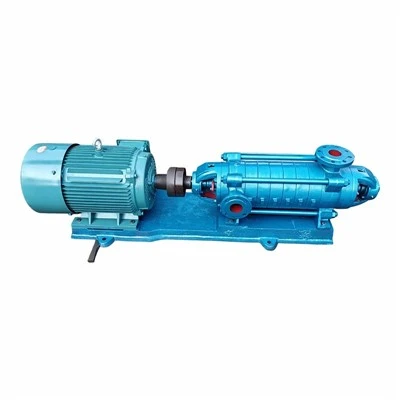
In conclusion, the frequency of maintenance for a vertical multistage pump depends on a variety of factors, including operating conditions, usage intensity, installation quality, and fluid properties. By following the general maintenance schedules outlined above, you can ensure that your pump operates smoothly and efficiently for years to come.
High-pressure Pump If you’re in the market for a vertical multistage pump or need more advice on pump maintenance, don’t hesitate to reach out. We’re here to help you find the right solution for your specific needs. Whether you’re a small business owner or a large industrial operator, our team of experts can provide you with top – notch products and support.
References
- "Pump Handbook" – Karassik, I. J., Messina, J. P., Cooper, P., & Heald, C. C.
- Manufacturer’s manuals for vertical multistage pumps.
Xiaofeng Machinery Technology Co., Ltd.
As one of the most professional vertical multistage pump manufacturers and suppliers in China, we also support custom service. Please feel free to wholesale advanced vertical multistage pump made in China here from our factory. Quality products and reasonable price are available.
Address: No.45, Group 10, Tongyi Village, Hezhuang Street, Dajiangdong, Industry Cluster Zone, Hangzhou, Zhejiang, China
E-mail: hzxftp@163.com
WebSite: https://www.hzxfmt.com/
