Porosity is a crucial property when it comes to stone grinding discs. As a supplier of stone grinding discs, understanding porosity and being able to convey its significance to customers is of utmost importance. In this blog post, I will delve into what porosity is in the context of stone grinding discs, its effects on performance, and why it matters to you as a potential buyer. Stone Grinding Disc
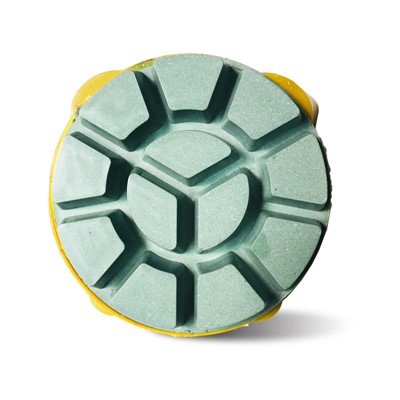
Defining Porosity in Stone Grinding Discs
Porosity in a stone grinding disc refers to the presence of small, interconnected voids or pores within the structure of the disc material. These pores are essentially empty spaces that are distributed throughout the disc. The porosity is typically expressed as a percentage, which represents the volume of these pores relative to the total volume of the grinding disc.
The formation of these pores can occur during the manufacturing process. For example, when the grinding disc is made by mixing abrasive grains with a bonding agent, the way these materials are combined and the subsequent heat – treatment or curing processes can lead to the creation of pores. Different manufacturing techniques can result in varying degrees of porosity.
Types of Porosity
There are two main types of porosity in stone grinding discs: open porosity and closed porosity.
- Open Porosity: Open – pore structures have channels that are interconnected, allowing air, coolant, and grinding debris to penetrate the disc. This type of porosity is highly beneficial as it enables efficient self – sharpening of the abrasive grains. When the disc is in use and the abrasive grains become dull, the open pores allow for the easy removal of these worn grains, exposing fresh and sharp ones beneath.
- Closed Porosity: Closed pores are isolated from one another. They do not contribute much to the functional properties of the grinding disc during the grinding process. However, they can influence the mechanical strength and density of the disc. A higher proportion of closed porosity may lead to a lighter – weight disc, but it could also potentially affect the disc’s ability to withstand high – stress grinding operations.
Factors Affecting Porosity
Several factors can influence the porosity of a stone grinding disc.
- Abrasive Grain Characteristics: The type, size, and shape of the abrasive grains used in the disc play a role. Coarser grains may leave more space between them during the mixing process, leading to higher porosity. Additionally, the hardness and friability of the grains can also affect how the material is packed together, which in turn impacts porosity.
- Bonding Agent: The bonding agent used to hold the abrasive grains together is crucial. Different bonding materials, such as resin, vitrified bonds, or metal bonds, have different shrinkage rates during the curing process. Resin bonds, for example, can create a more porous structure compared to metal bonds. The amount of bonding agent relative to the abrasive grains also affects porosity. Using too much bonding agent can fill in the pores, reducing the overall porosity of the disc.
- Manufacturing Process: The method of manufacturing, including the pressing pressure, temperature, and duration of the heat – treatment or curing process, has a significant impact on porosity. Higher pressing pressures can reduce porosity by compressing the material more tightly. On the other hand, the temperature and duration of the curing process can cause the bonding agent to expand or contract, which may alter the pore structure.
Importance of Porosity in Stone Grinding Discs
- Cooling and Heat Dissipation: During the grinding process, a significant amount of heat is generated due to the friction between the grinding disc and the stone surface. The pores in the grinding disc act as channels for the flow of coolant, which helps to dissipate this heat. A disc with appropriate porosity can prevent over – heating, which is essential as excessive heat can damage the abrasive grains, alter the properties of the bonding agent, and even cause thermal damage to the stone being ground.
- Self – Sharpening: As mentioned earlier, open porosity allows for the easy removal of worn – out abrasive grains. When a sharp abrasive grain dulls, the forces applied during grinding cause it to break off from the bonding matrix through the open pores. This exposes fresh and sharp abrasive grains, maintaining the cutting efficiency of the disc throughout the grinding process. Without this self – sharpening mechanism, the disc would quickly become dull, resulting in poor grinding performance, longer grinding times, and potentially higher costs.
- Debris Removal: Grinding generates a large amount of debris in the form of small stone particles. The pores in the grinding disc provide spaces for these debris particles to be trapped and removed from the grinding interface. If the disc has low porosity, the debris can accumulate on the surface of the disc, clogging the abrasive grains and reducing the cutting ability of the disc. This can lead to a decrease in grinding quality and an increase in the wear of the disc.
- Flexibility and Adaptability: Porosity can also affect the flexibility of the grinding disc. A disc with a certain level of porosity is more flexible, which allows it to conform to the shape of the stone surface being ground. This is particularly important when grinding curved or irregularly – shaped stone surfaces, as the disc can better adapt to the contours, resulting in a more even and high – quality grinding finish.
Measuring Porosity
There are several methods available to measure the porosity of a stone grinding disc.
- Water Absorption Method: This is a simple and commonly used method. The disc is first dried in an oven at a specific temperature until it reaches a constant weight. Then, it is immersed in water for a certain period of time. The increase in weight due to water absorption is measured, and the porosity is calculated based on the volume of water absorbed relative to the total volume of the disc.
- Mercury Intrusion Porosimetry: This is a more advanced technique. In this method, mercury is forced into the pores of the grinding disc under increasing pressure. By measuring the amount of mercury intruded at different pressures, information about the pore size distribution and total porosity can be obtained.
Selecting the Right Porosity for Your Application
The ideal porosity of a stone grinding disc depends on the specific application.
- Coarse Grinding: For coarse grinding operations where a large amount of material needs to be removed quickly, a grinding disc with higher porosity is often preferred. The higher porosity allows for better debris removal and self – sharpening, which are essential for efficient material removal.
- Fine Grinding: In fine – grinding applications where a smooth surface finish is required, a disc with lower porosity may be more suitable. A lower – porosity disc can provide more support to the abrasive grains, resulting in a more precise and consistent grinding action, which is necessary for achieving a high – quality finish.
Conclusion
As a supplier of stone grinding discs, I understand that porosity is a key characteristic that can significantly impact the performance and quality of the grinding process. By carefully controlling the porosity during the manufacturing process, we can offer grinding discs that are tailored to different customer needs.
Whether you are involved in large – scale stone processing or small – scale stone crafting, choosing the right grinding disc with the appropriate porosity is essential for achieving optimal results. If you are looking for high – quality stone grinding discs and want to discuss your specific requirements, I encourage you to get in touch. We have a team of experts who can provide you with detailed advice and guidance on selecting the best grinding disc for your application. Let’s start a conversation about how our stone grinding discs can meet your needs and enhance your productivity.
Stone Grinding Disc References
- Bowden, F. P., & Tabor, D. (1950). The friction and lubrication of solids. Oxford University Press.
- Malkin, S. (1989). Grinding technology: Theory and applications of machining with abrasives. Society of Manufacturing Engineers.
- Stephenson, D. A., & Agapiou, J. S. (2006). Metal cutting theory and practice. CRC Press.
Quanzhou Cheefung New Materials Co., Ltd.
As one of the most experienced stone grinding disc enterprises in China, we are able to meet the needs of the majority of our customers. Please feel free to wholesale advanced stone grinding disc made in China here from our factory. For price consultation, contact us.
Address: Jinshan Community, Licheng District, Quanzhou City, Fujian, China
E-mail: info@prostonetools.com
WebSite: https://www.prostonetools.com/
